Stand-off

CLICK ON IMAGES TO ENLARGE. REPEAT IF REQUIRED

Sunshine having returned, we took a drive in the forest this morning, and found ourselves centred on Brockenhurst, on the outskirts of which stands

The White Cottage

The White Cottage. I’m no expert, but this looks to me to be a relatively new building in keeping with its bucolic neighbourhood.

St Nicholas's Church Spire

When we last visited St. Nicholas’s Church with Jessie and Guru I concentrated on the New Zealand War Graves, also featured in ‘There Is Some Corner Of An English Churchyard’ which has a close-up of the fern sculpture in the bottom left of this picture.

Gates to St Nicholas's ChurchSt Nicholas's Church

Today I paid more attention to the church itself

Gravestones, St Nicholas Church 1Gravestones St Nicholas's Church 2Gravestones St Nicholas's Church 3Gravestones St Nicholas's Church 4Gravestones St Nicholas's Church 5Gravestones St Nicholas's Church 6Gravestones St Nicholas's Church 7Gravestones St Nicholas's Church 8Gravestones St Nicholas's Church 9

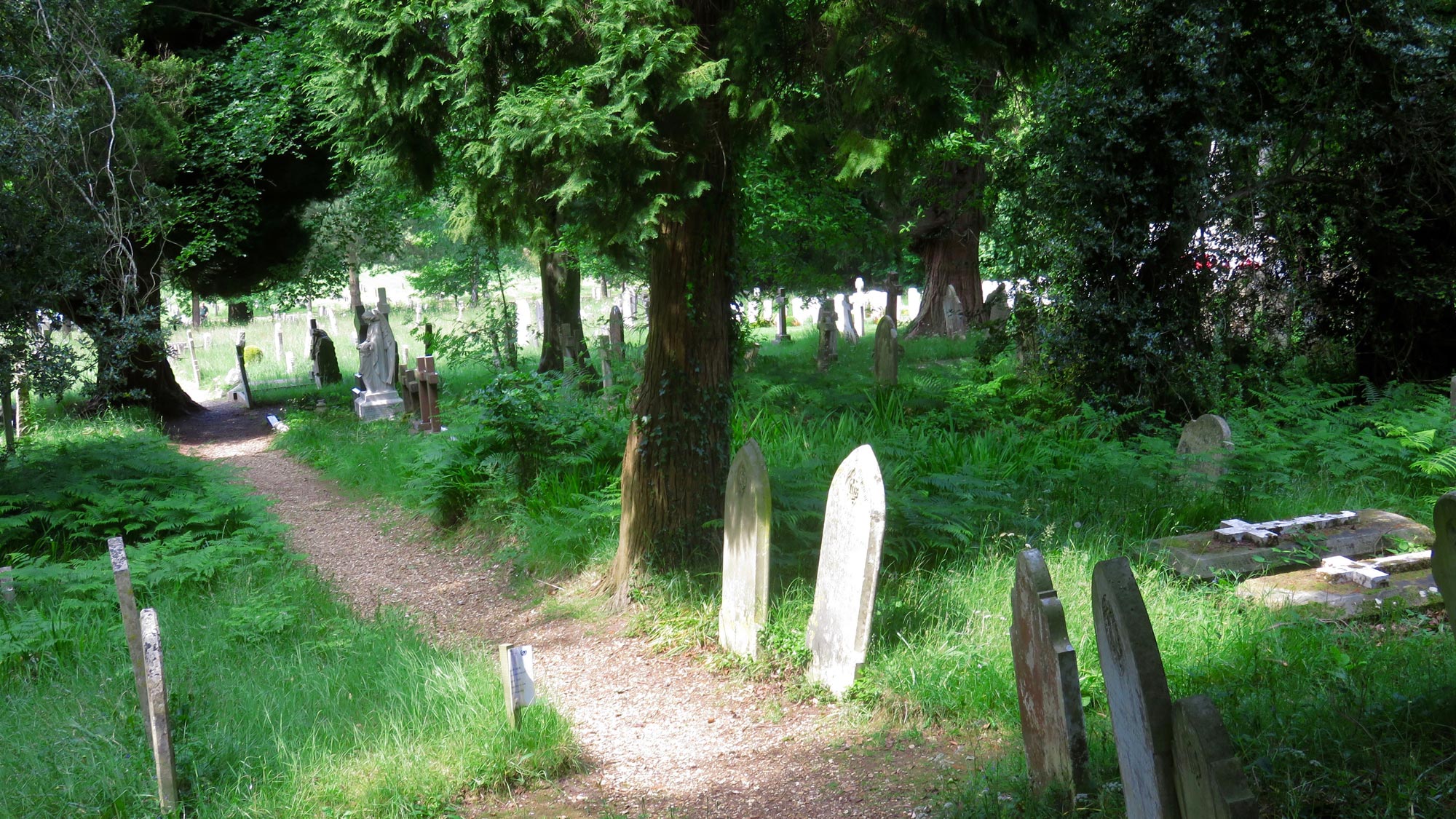
and to its older, tilting, more weathered, gravestones.

http://www.newforestexplorersguide.co.uk/heritage/brockenhurst/parish-church.html tells us this about this historic place of worship:

‘Brockenhurst Parish Church of St. Nicholas is located in beautifully peaceful surroundings just under 0.5 kilometres (1/4 mile) to the south-east of the village centre. It is considered to be the oldest church in the New Forest. Indeed, Brockenhurst is the only New Forest village for which a church was mentioned in the Domesday Book of 1086 AD – along here with 6 smallholders and 4 slaves with 2½ ploughs; and woodland at 20 pigs.

An earlier Saxon church was located on the same site as Brockenhurst Parish Church – Saxon herring-bone work can be seen in the south wall of the old Nave – and some consider that there may have also been a pagan temple or Romano-British church here, too, as the mound on which the church sits is thought to be at least part man-made.

Other elements of the current Parish Church structure date back to the 12th century, whilst the tower was added in the 18th century, and now blends well with the timeless surroundings.

This and other alterations were not, however, always so favourably viewed. John Wise, writing in the early 1860s, noted that: ‘The church has been sadly mutilated. A wretched brick tower has been patched on at the west end; and on the north side a new staring red brick aisle, which surpasses even the usual standard of ugliness of a dissenting chapel.’

Wise did go on say, though: ‘If the church, however, has been disfigured, the approach to it fortunately remains in all its beauty. For a piece of quiet English scenery nothing can exceed this. A deep lane, its banks a garden of ferns, its hedge matted with honeysuckle, and woven together with bryony, runs, winding along a side space of green, to the latch gate, guarded by an enormous oak, its limbs now fast decaying, its rough bark grey with the perpetual snow of lichens, and here and there burnished with soft streaks of russet-coloured moss; whilst behind it, in the churchyard, spreads the gloom of a yew, which, from the Conqueror’s day, to this hour, has darkened the graves of generations.’

And most of that remains true to this day, although the old oak tree no longer stands. The churchyard yew was, though, carbon dated in the mid-1980s, and found to be more than 1,000 years old. Its girth was 15 feet in 1793, 17 feet in the early 1860s, 18 feet 4 inches in 1915, and now, at 5 feet from the ground, it is more than 20 feet round.

Richardson, King and Driver on their late-18th century New Forest map show what is now the tarmac road leading to the church from the then turnpike, but give equal prominence to the green lane running north-south on the eastern side of the church.

Maybe in those days both were of similar status, and kept in a similar state of repair. But whatever, the green lane now offers quiet passage to and from the village, away from the small number of cars on the modern road. Overarched by coppiced hazels, and in places a very definite hollow-way with moss-clad banks, the lane in spring is bright with bluebells and pennywort. Here walkers can re-trace the footsteps of church-going travellers from many centuries ago.

Brusher Mills (1840-1905), the celebrated New Forest snake-catcher, is buried in the churchyard – the ornate headstone shows Brusher outside his woodland hut, holding up a tangle of snakes.

Here also can be found the graves of more than one hundred New Zealand, Indian and other soldiers who died in Brockenhurst field hospitals during and immediately after the First World War. An annual service, attended by a representative of the New Zealand High Commission and of the New Zealand Forces, is held on the Sunday next to Anzac Day.’

References:
Domesday Book, Hampshire: General Editor, John Morris
The New Forest: Its History and Scenery: John R. Wise
A Guide to the New Forest: Heywood Sumner
Churches of the New Forest: Barry and Georgina Peckham
Brockenhurst New Forest Hampshire: http://www.brockenhurst-newforest.org.uk/churches.html

Pigs at pannage 1Pigs at pannage 2

Further on Jackie spotted a sounder of swine snuffling after fallen mast.

Ponies and pigs 1Ponies and pigs 2

Suddenly one of the saddlebacks began tearing around the trees out from which trotted three ponies who then stood off, at a safe distance, watching the pigs that had ousted them from their pasturage.

Ponies and saddleback

Eventually the horses gingerly returned, but, occasionally offering an irritated kick, still kept the pigs at leg’s length.

Ponies and pigs 3

Perhaps they were talking about this one. At any rate, its ears were apparently burning.

Pigs at pannage 3Pigs at pannage 4Pigs at pannage 5

The standoff was eventually acceptable to both parties, and we went home to lunch.

Later this afternoon we will set off for Emsworth where we will visit Nicolino’s restaurant for Ian’s birthday meal.


An English Country Churchyard

CLICK ON IMAGES TO ENLARGE. THOSE IN GROUPS ACCESS GALLERIES THAT CAN BE VIEWED FULL SIZE BY SCROLLING DOWN THE PAGE AND CLICKING THE RELEVANT BOX.

After dinner yesterday evening we popped down to Barton on Sea to view the sunset.

This morning we drove around the forest.

The thatcher I spoke to at East End, where the albeit somnolent donkeys were having fun with the traffic,

replied that the project was “beginning to take shape”.

Jackie on tree seat

Our next stop was at St Mary’s Church at South Baddesley, outside which Jackie sat on a seat cut into a very large tree stump.

Ken Allen gateposts

Gateway and church

Alongside the church stretches a patch of uncultivated land accessed from an open gateway dedicated to Ken Allen 1918 – 2005.

Path from church to playground 1

From here a  path leads down

Playground

to a playground beyond a locked five-barred gate. I was unable to gain any information about Mr Allen or the leisure area that I speculated must be related to him.

It was quite refreshing to discover that the Victorian church itself was unlocked and welcoming. I found the stained glass windows particularly attractive.

Cap on pew

Hanging on the edge of a pew was a gentleman’s cloth cap. If it is yours it awaits your collection.

Primroses, English bluebells, and other wild flowers wandered, as did I, among the gravestones in this English country churchyard.

Angel gravestone sculpture

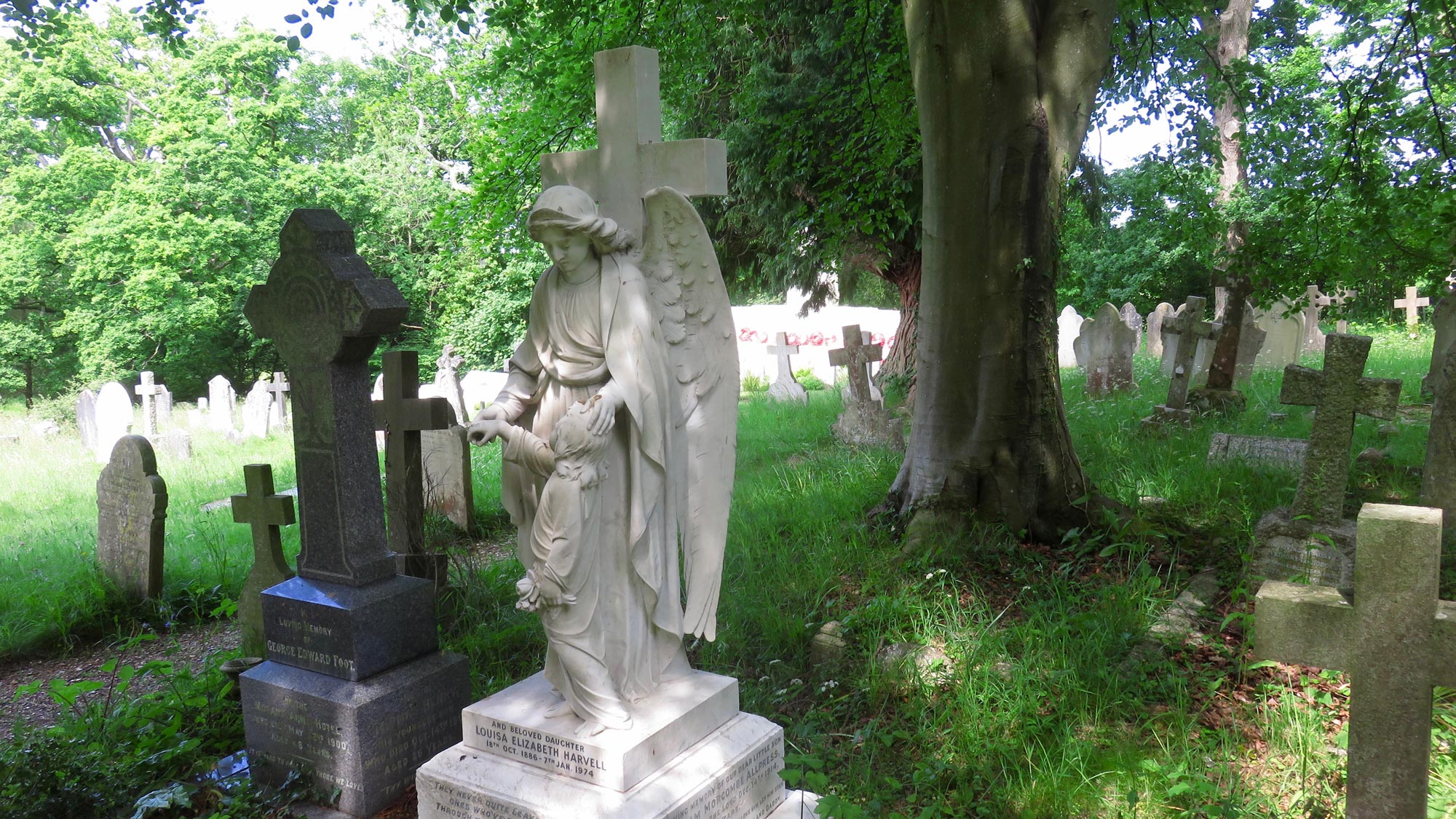
Most of the stones were quite simple, but there was one angel and child,

and the amazing resting place of Admiral of the Fleet George Rose Sartorius, GCB, Count de Penhafirme who died on 13th April 1885 in his 95th year. This was 70 years after he had served with Nelson at the battle of Trafalgar.

Admiral Sartorius's grave 2 – Version 2

What is particularly astonishing is the knowledge that the credible articulated linked anchor chain winding around the cross was carved from stone.

After lunch Jackie continued working her magic in the garden where I did a bit of clearing up and repelled some invading brambles along the back drive.

This evening we enjoyed our second serving of Mr Chatty Man Chan’s Chinese Take Away with which I finished the madiran. Jackie didn’t imbibe because she had drunk her Hoegaarden in the Rose Garden where we had a drink first.

P.S. Bruce Goodman, in his comment below, has provided a link to Ken Allen, which, incidentally explains that the playground I noticed is attached to a school. This is no doubt why the entrance would be locked during the Easter holidays.


From Antiques To Ancestors

CLICK ON IMAGES TO ENLARGE. THOSE IN GROUPS ACCESS GALLERIES THAT CAN BE VIEWED FULL SIZE.

Recently, Barry and Owen Chislett-Bruce, of New Forest Chimney Sweeping & Repairs, cleaned out our chimney and removed the wood-burning stove in order for us to enjoy an open fire next time we run out of oil. Barry recommended Richard at Gordleton Barn to supply the iron basket to hold logs in the grate.

Today we visited

Gordleton Barn entrance 2
Gordleton Barn entrance 1

Unfortunately Richard did not have one small enough for us, but we enjoyed browsing in the barn, which contained

mostly wooden artefacts

Log burning stove and scales

and one large wood burning stove standing beside a pair of brass scales.

Lampshades were conveniently placed throughout

Interior

this interior reeking history.

Door and window

Fascinating doors, like this one that would no doubt interest Robin Cochran who makes excellent contributions to Norm Frampton’s project, are propped up around the place.

Mask

Quirky objects like this mask, possibly an off-colour Green Man,

Sculpted face

and a sculpted face perhaps inspired by Salvador Dali, are found in unexpected corners.

Scrap yard

Outside in the yard stand various items that may be considered enhanced by a patina of rust.

As it was a fine, warm, day, we continued on a drive through the forest.

Such was the overnight rain that it has added to the ponies’ drinking supply, being particularly helpful in lying in roadside gullies so that, like a human drinking wine with a meal, they can slurp up the water which then drips from their mouths and trails back into the ditches to provide another sup.

Ponies

The drinker above stopped to observe the photographer for a moment,

Pony

while another watched from the other side of the road.

Moving on, we discovered

The Parish Church of St John the Baptist noticeboard

This church was built in the early 11th century, but there is some speculation that it is much older because three Sarsen stones have been discovered in the foundations. Neither, situated as it is on the top of a hill, is it very near Boldre. The parking referred to is nearer than the parishioners’ one further along the road.

The building itself, entered through a kissing gate,

 is surrounded by an extensive graveyard,

most of the older stones of which are so weathered as to be barely legible.

The William Gilpin Tomb

An exception is this memorial to an 18th century vicar and his wife, who, like everyone else, needed to be pardoned for their repented transgressions.

Jackie was particularly intrigued by the name Jules Joseph Hyacinth Duplessis and the less exotic, to modern ears, of his wife Louise Fanny. They warranted a marble column which bears a legible inscription. The other two sides name their one year old daughter; and a woman whom we assumed to be Jules’s first wife.

Mary's casket

Most graves were marked with stones, but Mary was graced with a stone casket.

Some of the windows were particularly interesting. Through one could be seen the light pattern on an inside wall from a smaller light.

On enlarging the photograph, it should be simple enough for those comfortable with mirror writing to decipher the inscription on this beautifully etched glass. The second picture shows an older window on the other side of the church. I longed to enter the place of worship to gaze at this work of art from inside. Unfortunately, like so many of our churches today, it was firmly locked, denying entrance to nice people like us as well as nefarious thieves and vandals.

A wild garden has been planted around one area. We could see snowdrops just beginning to break the soil, and vowed to return to see this a little later.

Donkey on road

No trip through the forest would be complete without at least one animal blocking the road. This duty was taken on by a drowsy donkey at East Boldre.

This evening we dined on smoked haddock, fishcakes, sautéed potatoes, leeks, and peppers, and Jackie’s trademark piquant cauliflower cheese. She drank Hoegaarden and I finished the Bordeaux.

The Leap

CLICK ON INDIVIDUAL IMAGES TO ENLARGE. THOSE IN GROUPS LEAD TO GALLERIES WHICH CAN BE VIEWED FULL SIZE.

(YVONNE SPOILER ALERT. THE RECIPE IS NOT YET READY, BUT YOU MAY WISH TO AVERT YOUR EYES FROM THE FINAL PARAGRAPH)

Lamb Inn

Late in the morning Jackie drove us to Nomansland where we lunched in the Lamb Inn.

Even at midday, ponies on the green outside dined on defrosted food, avoiding the refrigerated options.

In the hostelry, beside a fine log fire, and beneath a display of character jugs, I enjoyed a burger, chips, and Doom Bar beer; while Jackie chose a bacon, brie, and cranberry baguette with coffee.

Horse and rider

As we drove away, we passed a rider who led her steed through the gate to her left.

At St Peter’s Church, Bramshaw, the autumn leaves blended well with the groggy lichen-covered  gravestones, mostly dating from the eighteenth century. Steep steps lead up the hill from the roadside; there is also a slope to the side, no doubt for those parishioners who cannot climb.

St Peter's Church wall

Most of the structure seemed to be Georgian in date, although one stone wall looked older,

Chimney

and I am not enough of an architectural historian to date this fascinating chimney.

Hedge cutting

Thinking it unlikely that the Modus would obstruct anyone, Jackie tucked it in beside the church. She was unlucky. Along came a hedge cutting machine.

Pony jumping

We paused at Wootton so I could photograph a couple of ponies drinking from a stream. As I raised my camera, one leaped from the water to the bank above.

This evening we dined on Jackie’s luscious liver casserole, crunchy carrots and green beans, with creamy mashed potato. She drank sparkling water and I drank Collin-Bourisset Fleurie 2015.

Getting The Hang Of It

CLICK ON IMAGES TO ENLARGE. REPEAT IF REQUIRED

Naturally, I couldn’t wait to get out into the garden and play with my new toy. Confining myself to the Creative Automatic setting with the zoom lens, I made a few close-ups. I had about a 60% success rate.

Asiatic Lilies

Starting with lilies, here are some Asiatics dappled by sunlight;

Day Lily

a day lily basking in full sun;

Fly on Lily

Fly on Lily – Version 2

and a fly exploring one in the New Bed.

Rose Mamma Mia

Now to roses. Mamma Mia is maturing nicely;

Rose Love Knot

Love Knot is prolific;

Rose For Your Eyes Only

and this is For Your Eyes Only.

Penstemon

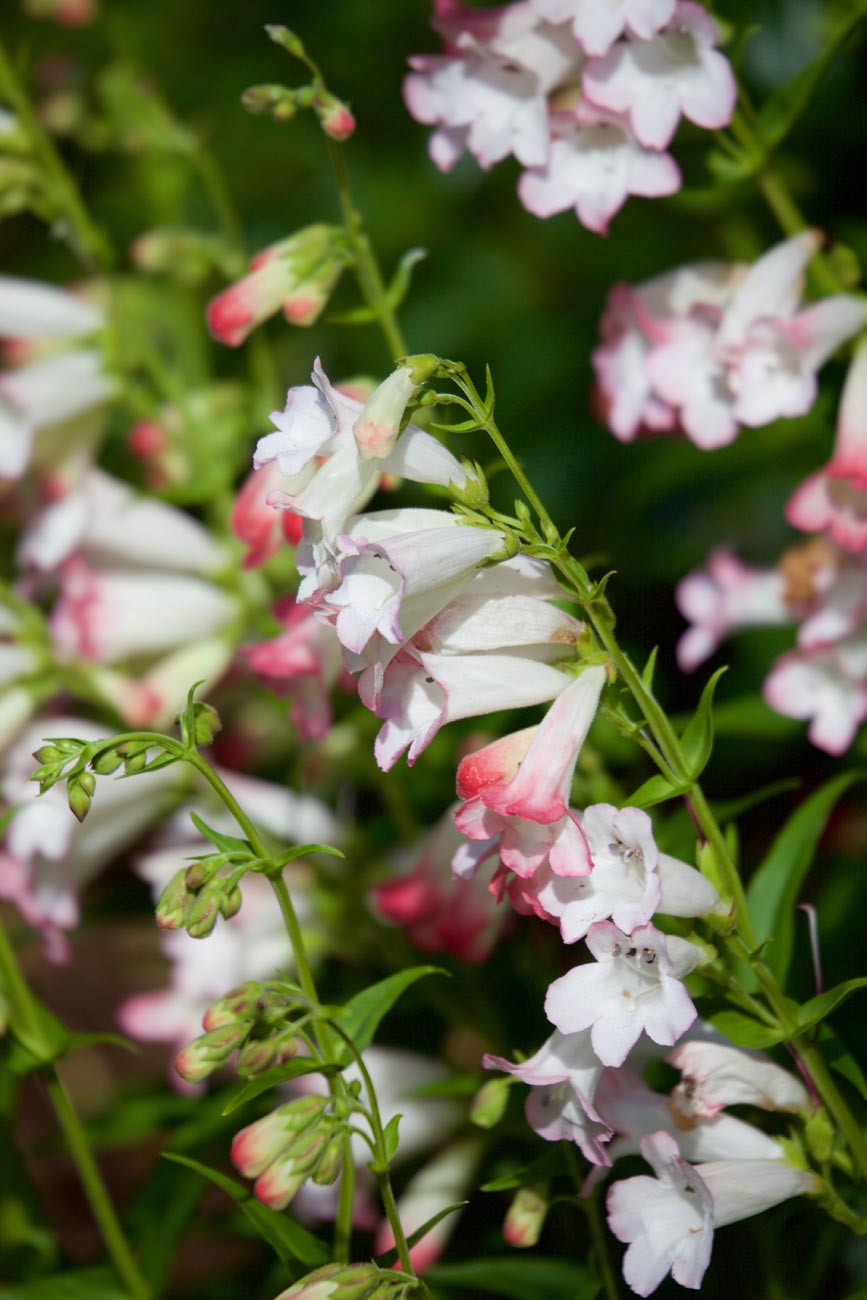
These beautiful penstemons also grace the Rose Garden.

Bottle Brush plant

The red Bottle Brush plants, now that the yellow one is over, are coming into their own.

I also did some dead-heading and cut the grass, while Jackie watered the pots, and tidied and catered for our weekend guests. These were my long-term friend, Jessie, and her flat-mate, Guru, who arrived in time for lunch.

After lunch we visited the New Zealand graves at St Nicholas’s church in Brockenhurst. This was of interest to Guru because he has recently been learning about the Indian Army involvement in World War One, and there are three Indians buried there. I photographed one of these on our previous trip. (The pictures that follow were made with the CanonSX700 HS)

Arogyasami' s gravestoneSumeer gravestone

Here are the other two.

Belgian gravestone

On that day the light had been too strong for me to photograph the stone of the unknown Belgians who had worked in the hospital. Today was less bright.

Gravestone in tree

One of the nineteenth century stones has had a tree push it over;

Cross in meadow

the lichen on another blended well with the wild flower meadow.

After this we attended the  RNLI fundraising event at Gordon’s home in Downton Lane. This was an afternoon of jazz music and cream tea in the garden. It was very enjoyable.

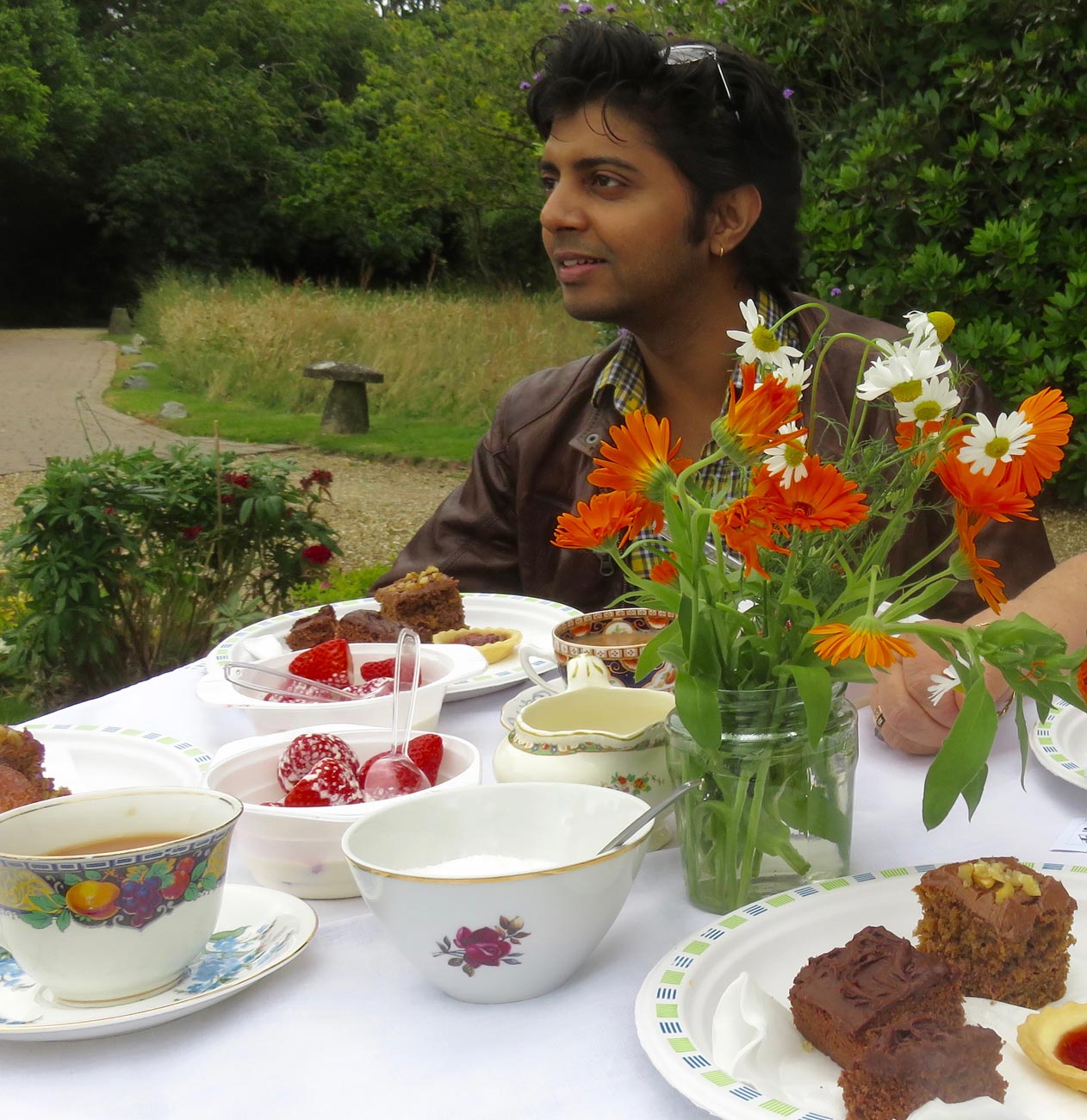
GuruJessie and Guru

We arrived too late for a traditional cream tea, but were amply compensated with home-made cakes and delicious strawberries and cream. Jessie amused us by furtling in her bag for sweeteners for her tea.

We dined on Jackie’s classic chicken jalfrezi, pilau rice, and parathas. She drank Hoegaarden, and I drank a Georges du Boeuf Fleurie 2014 that our guests had brought. Jessie’s choice was Irn-Bru, and Guru’s orange juice.

There’s Some Corner Of An English Churchyard

CLICK ON IMAGES TO ENLARGE. REPEAT IF NECESSARY.

Kitchen window 1Kitchen window 2

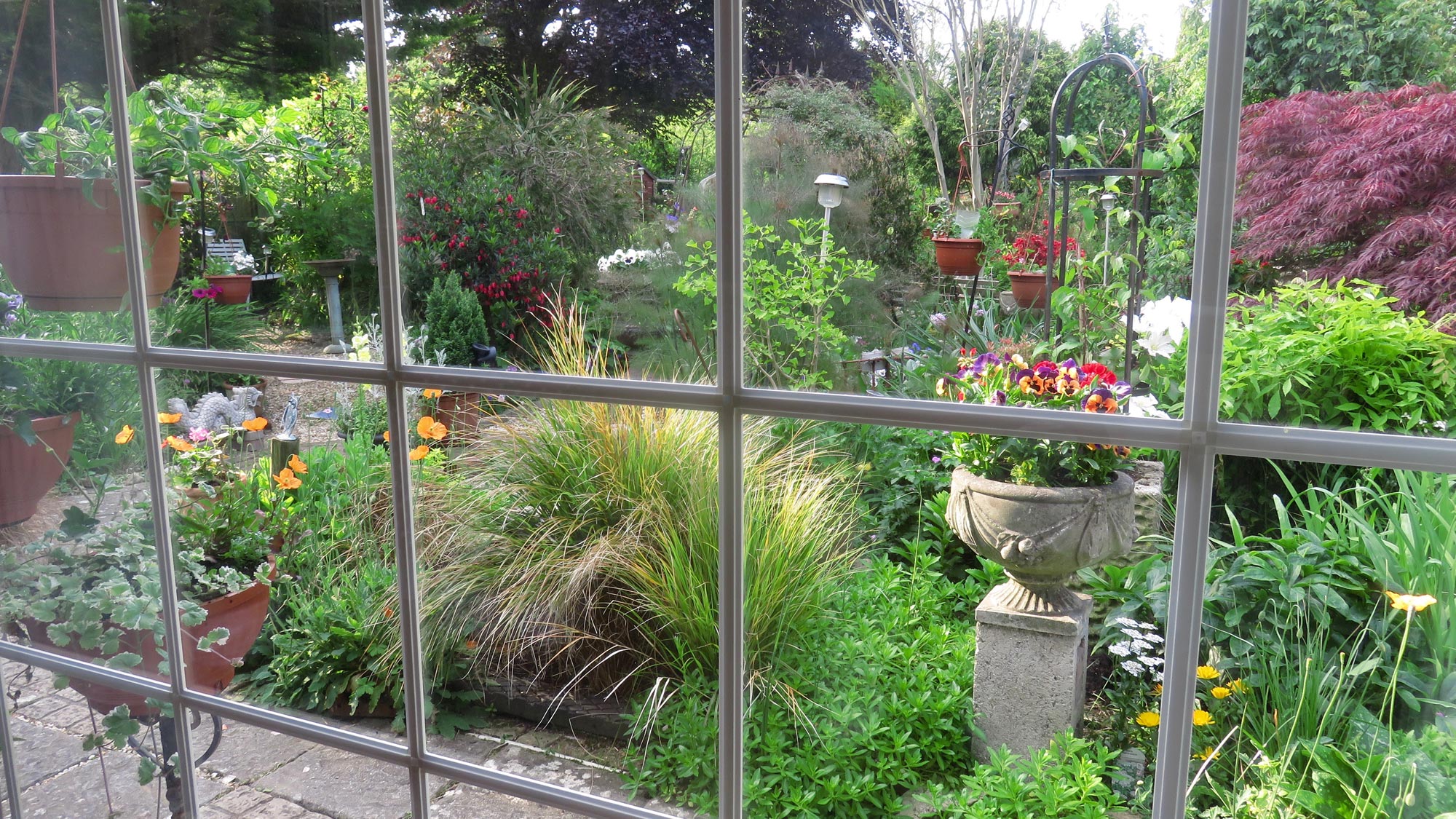
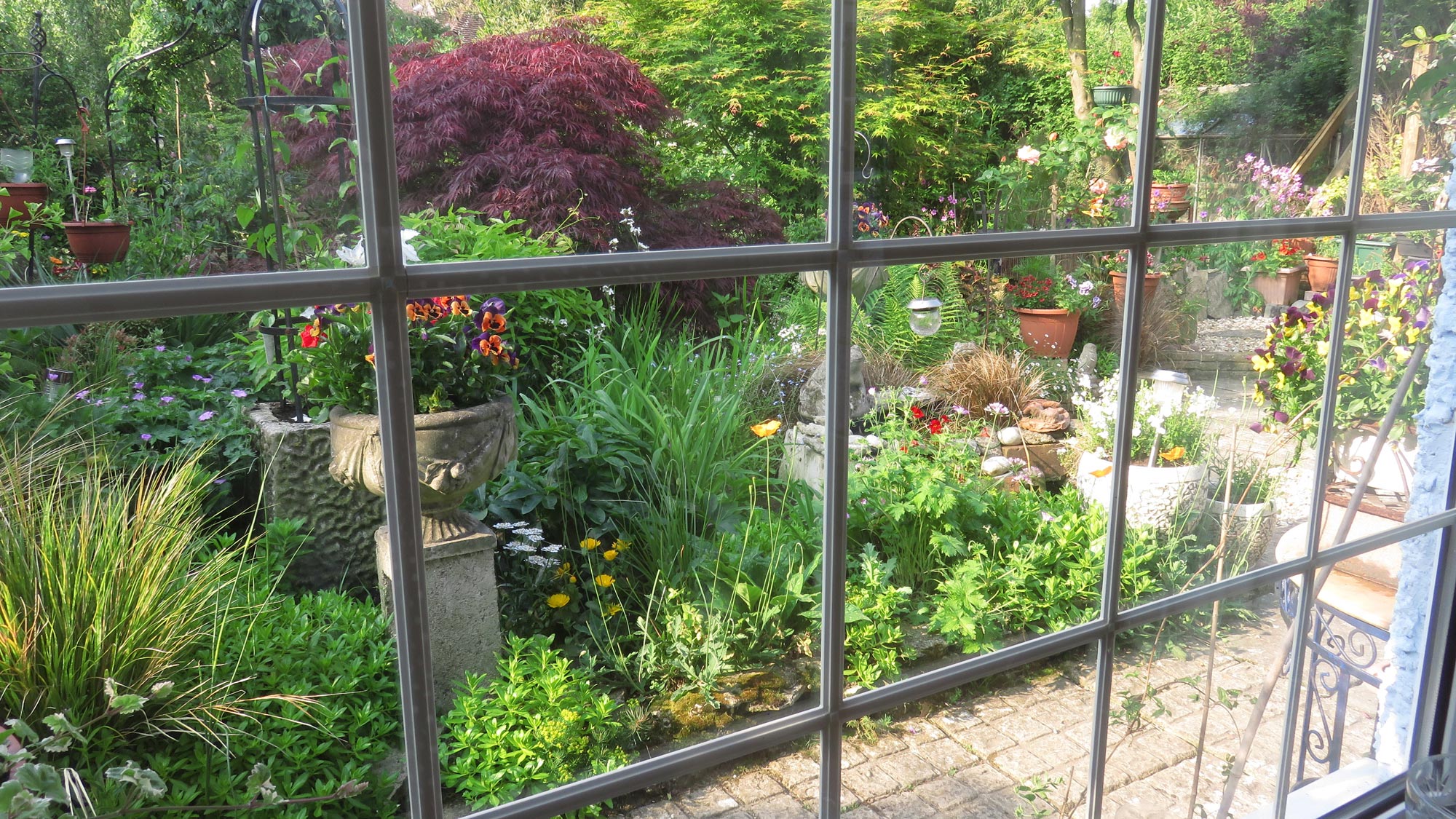
Over breakfast this morning, I photographed two more angles of view through the kitchen window;

Rose Garden

and afterwards, The Rose Garden.

Aquilegias

We have many banks of aquilegias.

Rose Compassion

Compassion blooms on the Dead End Path arch,

Bottle Brush Plant

And we have our first bottle brush flower.

Butterfly Painted Lady

A Painted Lady butterfly availed itself of the gravel camouflage.

St Nicholas's Church 1

This afternoon we visited St Nicholas’s church in Brockenhurst. Jackie and Sheila led the way into the exhibition inside;

Jackie examining gravestones

Jackie pausing to inspect the eighteenth century gravestones.

Graveyard St Nicholas's Church 1

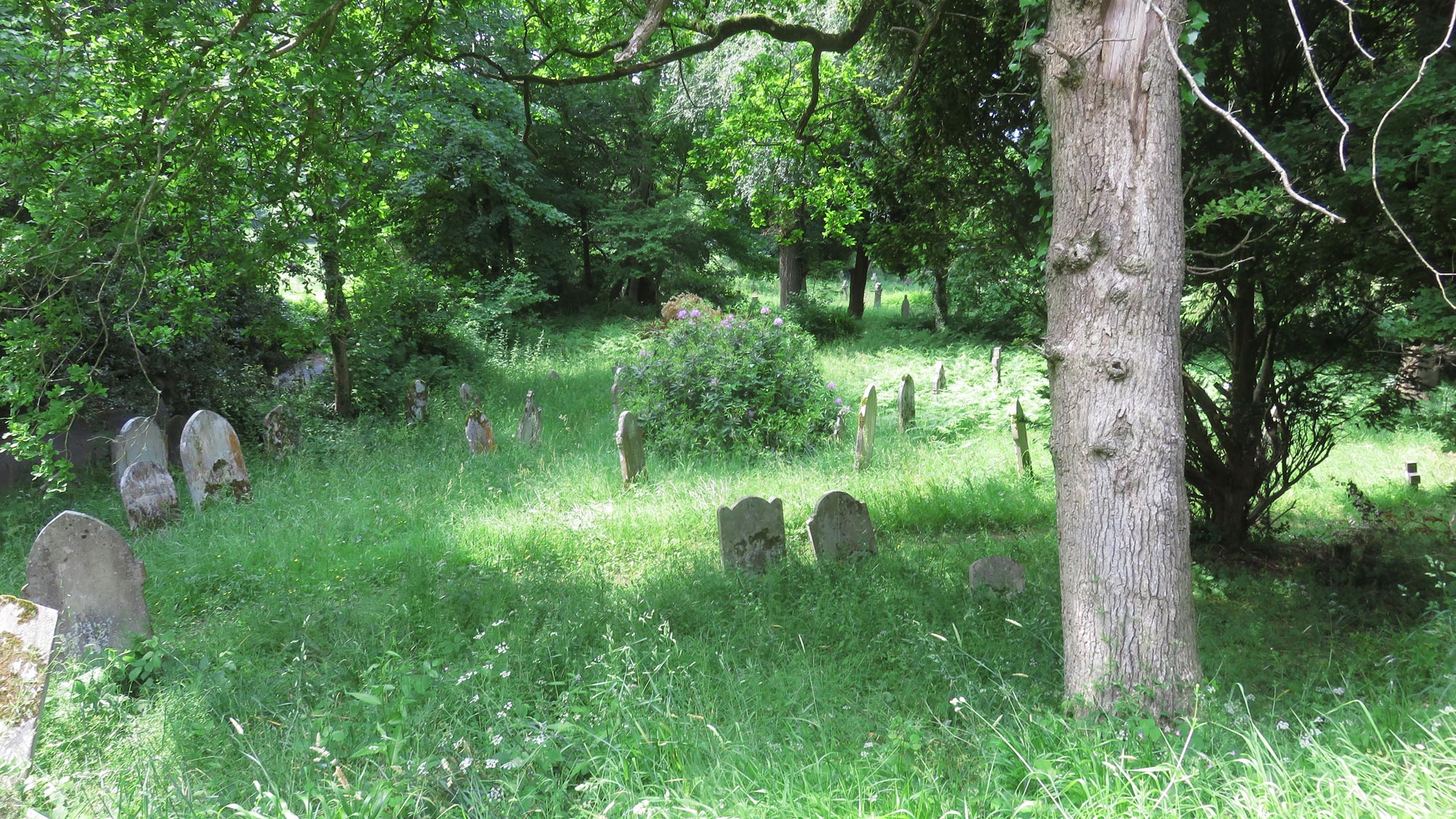
I wandered around the beautiful landscaped graveyard, where light glinted through trees and the ground fell away allowing the monuments to ramble down the hillside.

After my following exploration, I joined the ladies inside where a couple of volunteers within were giving them an explanatory history of the World War One burials in the churchyard.

Yew tree

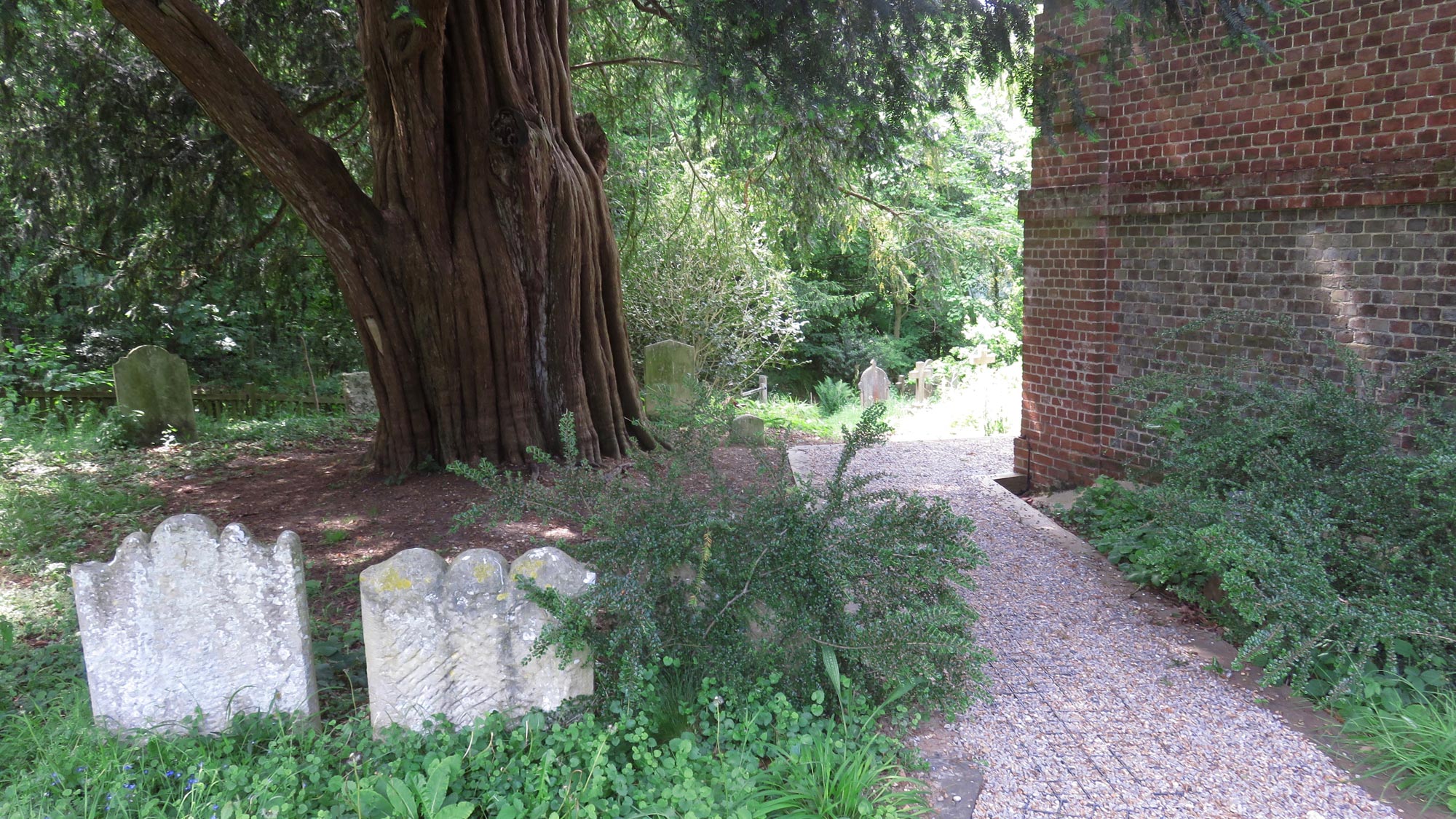
They told Jackie that this yew tree dated from the twelfth century.

Tree stump

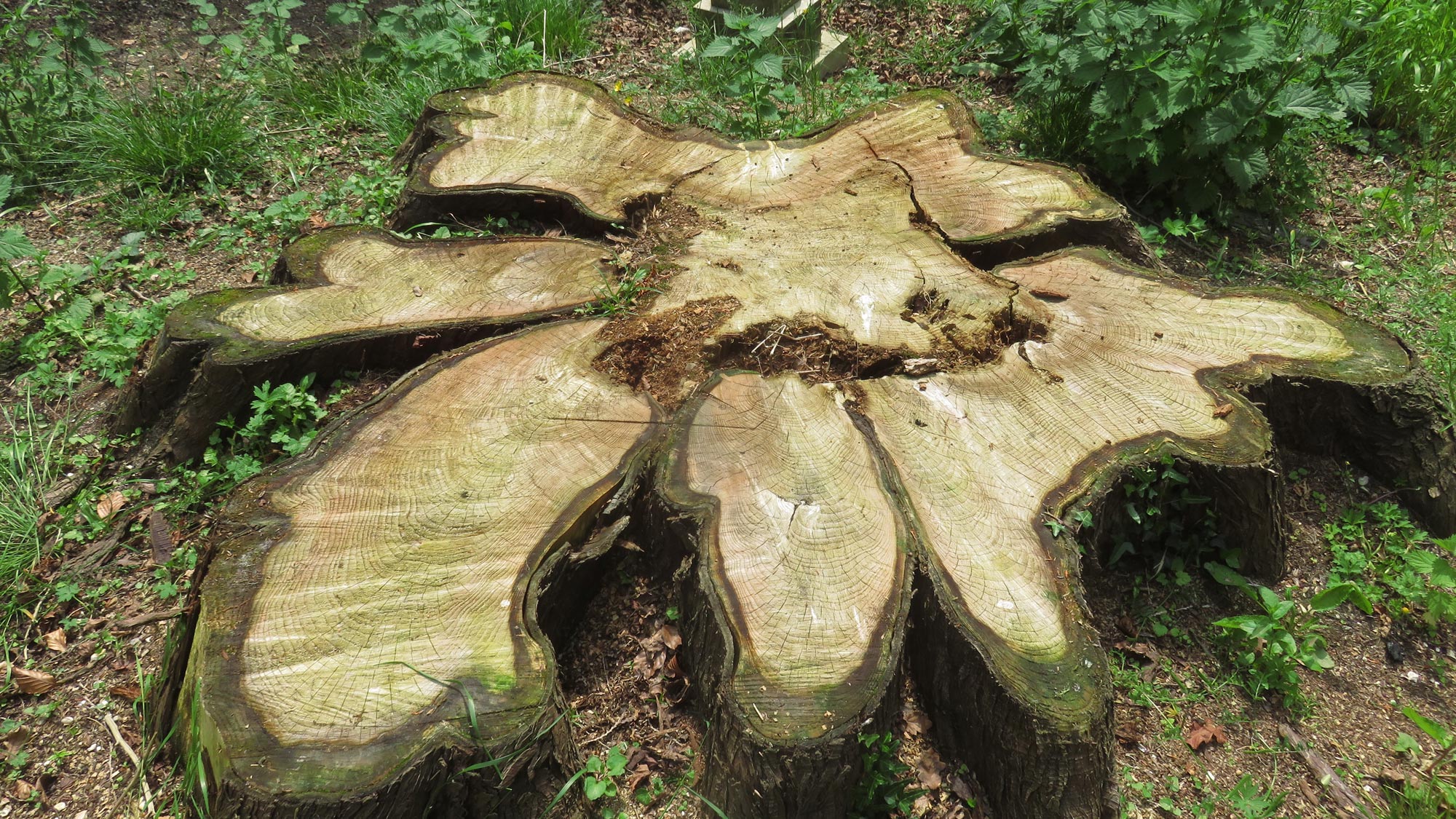
This sculptured stump must also have been a substantial giant.

Graveyard St Nicholas's Church 2

Graveyard St Nicholas's Church 3

Past the tree I came to a set of steps and a path leading down to level ground.

Fern sculpture

Flashes of red against clean, cream background suggested I was approaching the memorial symbolised by the sculpture at the entrance to the church. This was a brilliant fern cut out from weathered metal, familiar to anyone familiar with an All Blacks rugby jersey. The brilliance lay in the figures silhouetted in the work. I crouched a bit to ensure that the background grass made this clear.

NZ Memorial 1NZ Memorial 2

Indeed, I had. Ninety three members of the New Zealand Expeditionary Force soldiers from World War One lie buried in the Commonwealth War Graves Commission Cemetery attached to this church.

Brockenhurst Churchyard Commonwealth War Graves Board

The farming village of Brockenhurst soon became a World War 1 hospital village, from 1914 caring for wounded and sick Indian troops, and from 1916 the No. 1 HQ New Zealand hospital. Those who died therein were buried in this churchyard.

K. Rapona gravestone

Of the 93 New Zealanders, 12 were Maoris, only one of whom died from wounds. This was Private Kiri Rapona. Clare Church’s book, which I bought, gives this young man five more years of life than does this gravestone. One other drowned and the rest succumbed to illness.

Sukha gravestone

One Indian is Sukha.

There are also three unknown Belgian civilians who share a plot.

Gravestones

These plots are very well tended and maintained by New Zealanders in UK.

Balmer Lawn Hotel

Of the three hospitals from those years, the only one still standing is now the Balmer Lawn Hotel, which keeps its own living lawnmowers.

Stained glass 1Stained glass 2

The very friendly couple who were very informative about the church and this particular section of its history, pointed out the Victorian stained glass in the twelfth century stonework of the windows.

This evening Jackie produced succulent chicken Kiev, creamy mashed potato, and crisp carrots and runner beans for our dinner. Sheila’s dessert was rice pudding, and Jackie’s profiteroles. As I had consumed two pieces of chicken I passed on this. But I did drink more of the Fleurie. Jackie drank Hoegaarden, and Sheila, sparkling water.

It was Rupert Brooke, an Englishman who did die in 1915, who is immortalised by his own verse: ‘And if I should die, think only this of me, that there is some corner of a foreign field that is forever England’. I have adapted his words for today’s title.

Yellow Ticket

The storm, having filled the deepest ditches, and extended the pools on the fields and the roads, had desisted this morning when we began the day with a shopping trip to Tesco. This supermarket, like all the other home-grown ones, is feeling the squeeze from the Germans, Lidl and Aldi. There were notices everywhere announcing cheaper brands.

Tree in waterlogged fieldWaterlogged field

By midday the dull weather had evaporated into clear blue sunlit skies. After lunch I walked up Hordle Lane, right into Sky End Lane, left into Vicarage Lane, and left again, returning home back along Hordle Lane. I was lucky, for the rain set in soon afterwards.

Drink container in ditchDitch and shadow

Discarded detritus now floated in ochre waters of the ditches which I photographed with my back to the warming sun.

Hordle Lane 1Hordle Lane 2JoggerPoniesWoman walking dogPools glinted on the lanes and reflected the trees and skies above. A jogger ran past the paddock in which the ponies chomped on their fodder. Later he returned in the opposite direction, possibly eventually passing a woman and her exotic looking dog glowing in the sunlight, and casting long shadows.


Cars running through poolSome vehicles sped through the pools on the tarmac, sending up showers of water; others slowed and sprayed a little.

Tree reflectedSmall birdsOn Vicarage Lane, which enjoyed numerous reflective puddles, I engaged in conversation with a friendly woman tending her garden. She had noticed me attempting to photograph small birds in her trees. We didn’t know what they were, but they were attracted by nuts she had hung up for her visiting tits, siskins, and a solitary woodpecker.

Blackbird

Blackbirds scurried in the hedgerows.

All Saints ChurchGravestones

At the corner of Vicarage and Hordle Lanes, lies the Parish Church of All Saints, Hordle. Shafts of gleaming sunlight illuminated the sleepy resting place of former parishioners.

Jackie’s matured liver and bacon casserole was enhanced by the discrete taste of fresh mushrooms and peppers for tonight’s dinner. They were accompanied by prime mashed potato, and crisp cabbage, carrots and cauliflower, then followed by Tesco’s finest Belgian chocolate choux buns. Our dessert was purchased this morning at half price. Such is the UK’s obsession with ‘best before’, ‘use by’, and ‘sell by’ dates, that supermarkets cannot sell goods beyond whichever of these phrases appears the most relevant. Neither, for fear of lawsuits for food poisoning, are they able to give them away. They therefore do the next best thing and reduce the price. Our buns bore the legend ‘use by’ today. Had we purchased them later in the day, they would probably have been even cheaper. In this particular outlet you can recognise reduced items by their yellow ticket.

We each drank the same beverage as yesterday.

Harry The Grape

There is nothing more certain to do my head in than to try something either new or that I haven’t done for more than a week on the computer.  You will therefore be able to understand why I have been putting off moving my Apple computer to Minstead from the Firs.  Well, to be more accurate, setting it up at Minstead.  Elizabeth persuaded me to remove the Mac some time ago, but I have deferred the satisfaction of actually getting it to work.  I had to feel very strong to tackle that.  So I spent the morning at it.  Getting it plugged in was straightforward enough.  Turning it on worked out all right.  Then came the wireless mouse and keyboard.  No idea.  The box on screen said they weren’t discoverable.  Perhaps the batteries needed changing.  They did.  That did the trick.  Now for the internet.  Couldn’t get on.  We have a home hub, but can’t remember the password or how to set it up.  Ah, but I can remember Elizabeth’s.  Tried that.  That got me access to a BT hotspot.  Which will have to do for the moment.

The reason I bought the Apple in the first place was for photography.  I also bought a professional negative film and slide scanner, and printer capable of producing A3+ size photographs.  The ever practical Jackie has rigged up a wheeled platform housing these that can be brought from the bedroom wardrobe cupboard to the computer in the living room when I want to use them.  For everyday printing I have a smaller printer/scanner that works well enough with the Windows laptop.  But it wouldn’t work with the Apple.  Of course not.  The software disc must be loaded in.  Where was it?  After about half an hour I found it where it should have been and where it actually was in the first place and I didn’t find it when I looked.  It was quite a long process to upload this, but I managed it.  Then I printed a sample picture which had lines all over it.  That meant the nozzle had to be cleaned.  Simple enough on the laptop, but it took me ages to manage it on the Apple.

One last task would suffice for today.  Downloading the digital photographs from my camera to Windows Vista laptop works like a dream.  But could I do it on the Apple?  No.  That computer, bought in 2007 is too old, for goodness sake.

The New Forest Inn 2.13It was almost a relief, after lunch, to walk to Lyndhurst, ahead of Jackie to meet her there, via Emery Down, where The New Forest Inn was making good use of at least one chimney.

On the way through Minstead I stopped and chatted with a couple on a walking holiday.  Thinking I recognised their accent I asked where they were from.  It was Spalding in Lincolnshire, which is not all that far from Newark.

Pheasant 2.13On the road down to the ford a male pheasant scurried across my path.  ‘Why did the chicken cross the road?’ is a hoary old question to which there are numerous humorous answers.  I don’t know why my bird crossed the road in the first place, but I think he turned and recrossed it because he had seen me get my camera out, and, proud of his plumage, wished to prance about and pose for me.

Molehills 2.13Molehills abounded in the fields and on the verges.  I have never seen a live mole, but I am sure I would know one from E.H.Shepard’s marvellous illustrations to Kenneth Grahame’s children’s classic ‘The Wind In The Willows’, which was one of my favourites.  So inspired was I by Mr. Toad and his friends that, in my teens in the mid-’50s, I began to make a comic book called ‘Toad in the Wild West’.  Mr. Toad 2.13That original masterpiece is long gone.  But here is a rough sketch of the eponymous hero.

Perched on the hilltop as you approach Lyndhurst from Emery Down is the rather splendid Victorian church of Saint Michael and All Angels. Gravestone steps, St Michael and All Angels 2.13

In its graveyard lie the ashes of Alice Hargreaves, nee Liddell, the inspiration for the reverend Charles Dodgson, otherwise known as Lewis Carroll.  His  ‘Alice’ books are also timeless classics.

A steep set of stone steps winding down to the town carpark is made from old gravestones, almost all the inscriptions of which are completely obliterated.  One would hope that these erasures were the effect of centuries of wind and rain, rather than of recent footsteps.

Jackie’s complete lamb jalfrezi meal was reprised for our dinner.  I finished the Carta Roja while she drank Orange Hefeweizen beer from Kitchen Garden Brewery in Sheffield Park, Uckfield.  This is a Sussex outlet which seems to have some provenance for Jackie.  Some years ago Jackie picked grapes for the friend of a friend who ran the Sheffield Park Vineyard and Nursery.  He was Harry the Grape.  Harry Godwin would be beyond retirement age by now.  So has he or his son branched out?  Or are there now two different enterprises?  Answers in a comment please.

Episode 2 of ‘Call the Midwife’ followed our meal.