A Clear View

Jackie weeding rose garden

Until the rain set in this afternoon, we were able to make good headway on weeding the rose garden which, of course,

Kitchen gardenhad not existed at this time last year, when it was little changed from this shot of 6th June 2014. On the left, in front of the shed, is the Waterboy, featured yesterday, as found.

This afternoon we delivered the last of the exhibition flyers, to

Forest Arts Centre

Forest Arts Centre in Old Milton,

St Barbe Museum

to the St Barbe Museum and Arts Centre in Lymington,

Milford on Sea Community Centre

and to Milford on Sea Community Centre.

From Milford, Jackie drove us down to the coast where,

Silhouettes through windscreen

despite the rain battering the windscreen,

Isle of Wight and The Needles

there was a remarkably clear view of the Isle of Wight and The Needles with their lighthouse.

This evening Hordle Chinese Take Away provided our dinner. As always, the set meal for two will cater for tomorrow as well. Jackie drank Hoegaarden while I finished the madiran.

Avian Warfare

After a brief panic on the part of the deliveryman, we received a full tank of oil today. The operator couldn’t initially get his machine to work,

Oil delivery

so he spent some time, whilst we trembled in trepidation, tinkering with dials.

Before the rain set in, I cut the grass and Jackie carried on clearing and tidying the rest of the garden.

Netting on eaves

Having spotted that a number of birds have been tearing strips off our roofing insulation for nest building, she has netted up the entrances in continuing the avian warfare begun yesterday against the greenfinches.

Blocking starling nest

Whilst she was at it, she also blocked the route to last year’s starling nest.

Waterboy

She cleaned out the Waterboy feature and set it going again.

Back inside, as feared, we found the boiler wasn’t working. This, we discovered, seemed to be because Jackie had turned the living room wall thermostat to zero when we ran out of fuel. She turned it up. The light came on on the reset button. When it was depressed, as the instruction book suggested, we had lift-off. We will be having the device serviced anyway, just to be on the safe side.

This afternoon the rain desisted and we continued weeding and tidying.

This evening we dined on Jackie’s lemon chicken; sweet potatoes; and sautéed leeks, mushrooms, broccoli, and bacon; followed by apple strudel and custard. She drank Hoegaarden and I drank Reserve des Tuguets madiran 2012.

Whose Book?

Some weeks ago I wrote of a contact who had come to me through this blog, and left my readers with the prospect of a story. This post is that story, the result of a collaboration between me and Dr Neil Gibbs.

Dr Neil Gibbs recently purchased a copy of the Bird Lovers’ Manual ‘How to Know British Birds’ from a well-known internet auction site.

How to know British Birds

He was delighted to have found this treasure,

S. Denny inscription

and intrigued by the child’s pencilled inscription inside the front cover.

Who was this young lady?

I've always kept a unicorn

The name suggested a very popular singer/songwriter from the 1960s and ‘70s; Sandy Denny. Neil sought confirmation of this by researching biographies of the Fairport Convention singer/songwriter, who made successful solo albums during the second of these decades. Interestingly, in these books the only home mentioned was Worple Road. Stanton Road is an L-shaped side road off that main thoroughfare between Wimbledon and Raynes Park.

Our researcher’s next step was to type Stanton Road into Google, which took him to my blog where he learned that I had grown up just 24 dwellings away from S. Denny.

He left a comment on my blog asking if I had known the Denny Family. I responded with an e-mail saying I had, and inviting a telephone conversation.

Without giving away his thoughts Neil asked whether I knew of a Denny family living in Stanton Road. I did, and it was, of course, Sandy who had, at least in the 1950s, lived at 53 Stanton Road. I could be sure of that.

Sandy and David Denny

I was unable to be certain whether this photograph features a Stanton Road or a Worple Road home. It could indeed be either.

I can happily vouch for the veracity of the Stanton Road address. I lived there from 1944 until 1960 when I was 18 and Sandy would have been 12.

Sandy Denny died tragically young (aged 31yrs) in 1978, but her contribution to folk music is being recognized this month (April 27th 2016) when she will be inducted into the BBC Radio 2 Folk Hall of Fame at an Awards ceremony in the Royal Albert Hall.

Screen Shot 2016-03-24 at 12.09.29

Link for Sandy Denny website:

http://www.sandydennyofficial.com

Link for BBC Hall of fame:

http://www.bbc.co.uk/programmes/articles/3bsXpkXhDfSfYBsK91C7Ts6/hall-of-fame

Lupercalia

Two days ago I mentioned that our reception at The Fishers Pond had been so insulting that we left without a meal. A rather more generous complaint than mine would have been is detailed here in a copy of my sister Elizabeth’s e-mail received today:

‘After a recent visit when I was so well received and looked after by  the staff team and enjoyed a really delightful meal I was eager to introduce my brother and his partner to what I had hoped would be another lovely evening and a new venue for them to try.
Unfortunately I was really shocked by the contrasting experience at reception. I had rung ahead and was told that a table would be made up for us right away and 20 minutes later we arrived at the venue. We waited a very considerable time at the reception area and eventually my brother’s partner walked around to the seating area and raised a menu to draw attention of the waitresses who on seeing her turned away ignoring her.
After some considerable time the member of reception staff arrived and when I gave my name and said that I had a table reserved, he abruptly said that we were early and we would have to wait for a table to be made up. I replied that we were not early and at the same time two other people arrived saying that they had a table booked. Without responding to me, or any other acknowledgement  he spoke with the new arrivals, rudely speaking right across our little group and took the couple to their table leaving us standing open mouthed in surprise..
I am afraid this rudeness after already having been kept standing for some considerable time at the greeting area was too much for my guests and we therefore left without having a meal.
Even if there had been a delay in making up our table there were plenty of empty tables and at the very least we could have been appropriately greeted and offered somewhere to sit and wait.
Thank you for taking the time to read this complaint.’
This morning, we noticed a greenfinch pair pecking prize primulas in the front garden. Faster than it is possible to repeat that, The Head Gardener was out there investigating. She found that
Primula heads
 the plants had been decapitated. Naturally she found a use for them.
Brick path 1Brick path 2
 Aaron almost finished weeding the brick paths, while Jackie continued clearing and planting the borders of the back drive. We are really quite ahead of spring this year.
Ted_Hughes.jpgThis afternoon I finished reading Lupercal, being the second collection of the poems of Ted Hughes (1930-1998), one of our greatest modern poets, who served as Poet Laureate from 1984 until his death.
The poems are mainly about the animal life he would have known in his native Yorkshire. His muscular language and powerful imagery, presented with supreme poetic skill, depicts the violence of nature, shrieking of the harsh landscape with which he would have been familiar. Just as he would have wrested his verbal sculpture from the world about him, we must wrestle with it fully to understand his work. I can’t say I totally succeeded, but I responded viscerally to the experience.
The final offering is Lupercalia.
Wikipedia tells us that ‘The Lupercalia festival was partly in honor of Lupa, the she-wolf who suckled the infant orphans, Romulus and Remus, the founders of Rome, explaining the name of the festival, Lupercalia, or “Wolf Festival.” The festival was celebrated near the cave of Lupercal on the Palatine Hill (the central hill where Rome was traditionally founded[8]), to expiate and purify new life in the Spring. A known Lupercalia festival of 44 BC attests to the continuity of the festival but the Lupercal cave may have fallen into disrepair, and was later rebuilt by Augustus. It has been tentatively identified with a cavern discovered in 2007, 50 feet (15 m) below the remains of Augustus’ palace.’
This evening we dined at Dynasty in Brockenhurst. The food and service was, as usual, top quality. My main course was chicken chilli garlic, and Jackie’s was chicken tawa. We shared special fried rice, an onion bhaji, and an egg paratha; and both drank Kingfisher.

The Battle Of The Atlantic

This afternoon, I finished reading Jonathan Dimbleby’s excellent history, ‘The Battle of The Atlantic’, the story of a series of ocean conflicts that occupied the best part of the Second World War. Having been born in 1942, I unwittingly, along with the rest of us at home, bore the consequences of the shortages of basic living requirements for a good decade after Victory in Europe Day three years later. But I kept my life. Unlike those many thousands of sailors of the Royal Navy and the Merchant Marine; not forgetting the German crewmen, who died such terrible deaths in the struggles to supply the Allies.

Dimbleby has written a thoroughly engaging book detailing not only the political and strategic decisions of the combatants, but also the horrors of the battles, and the effects on the lives of civilians ashore.

The author’s concentration on the conditions endured by both the merchant seamen and the enlisted crew-members brings home to the reader the horrific nature of those years at sea. His description of the consequences of the severe weather on navigation and the impossibility of prolonged survival in the water makes the scenes in and around the lifeboats in the film ‘Titanic’ seem like coping with a capsized pleasure craft in a municipal boating lake. It had, for example, never occurred to me that the vessels on the Arctic convoys could become so iced up that the weight of the frozen water on deck would be capable of sinking a ship.

Sam, after his solo Atlantic row, told us how the waves could toss his little boat considerable distances through the air. Dimbleby describes much larger vessels being given similar treatment.

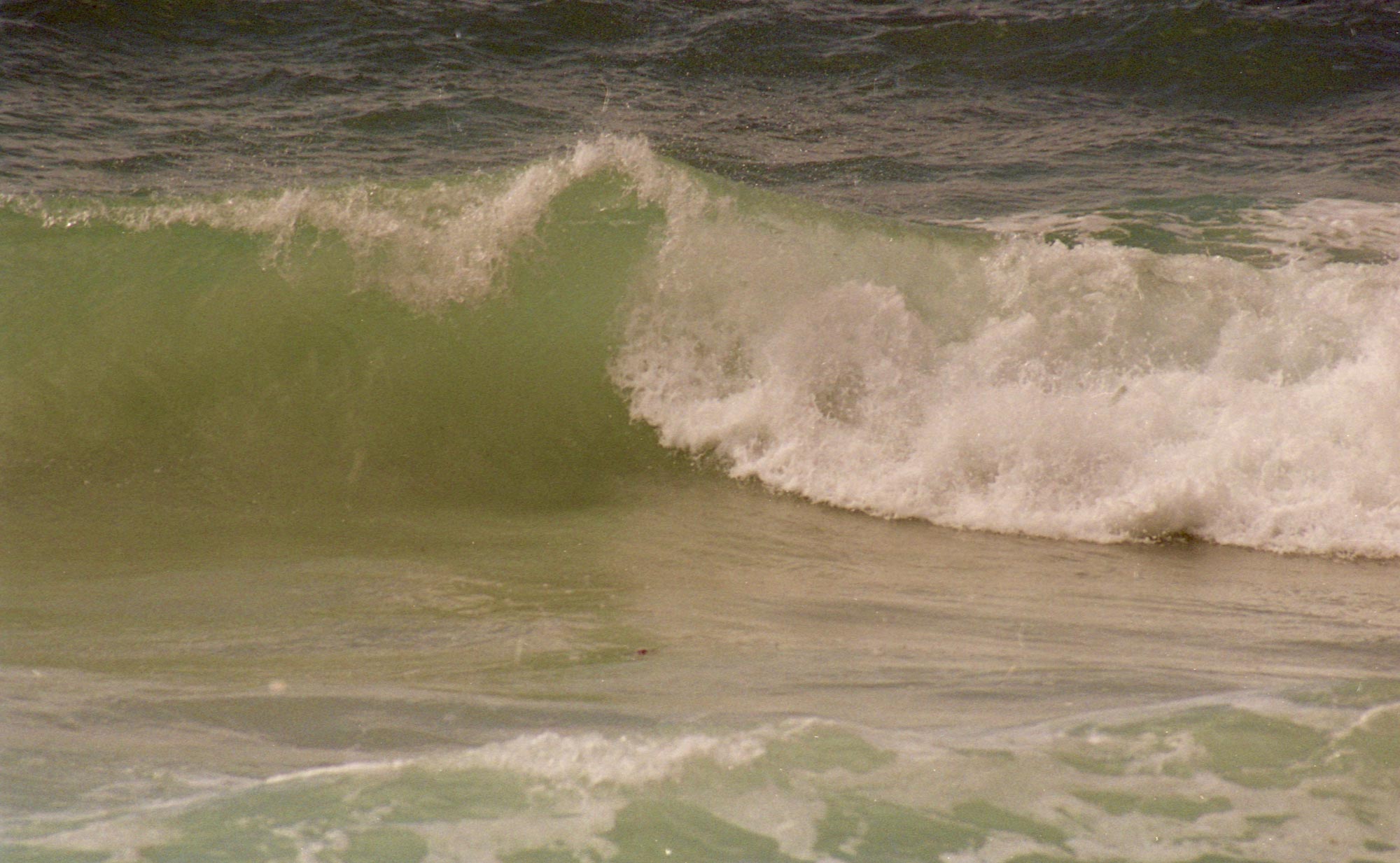
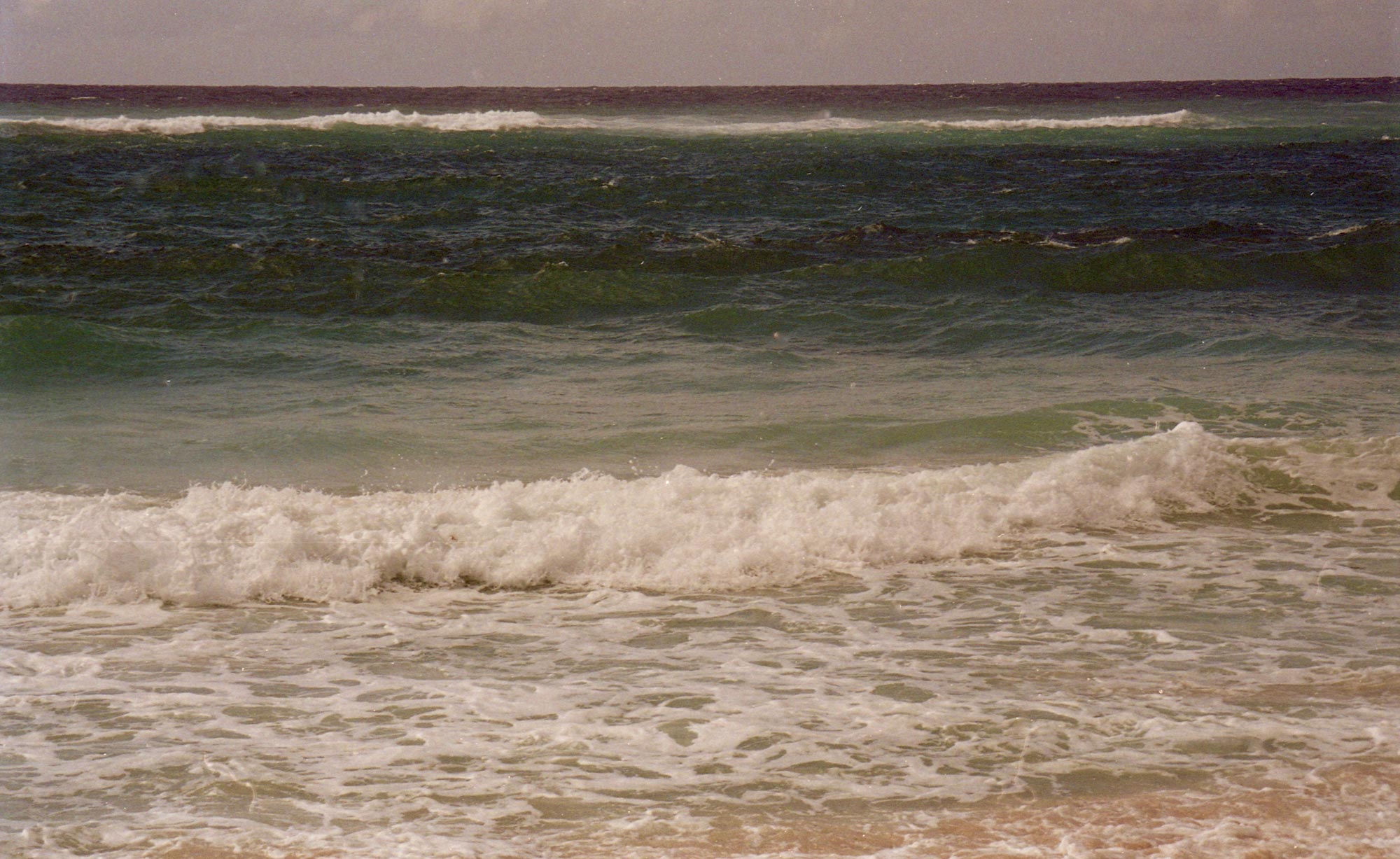
Waves 1Waves 2Waves 3Waves 4Waves 5Waves 6Waves 7Waves 8

Since the last few negatives of our March 2004 visit to Barbados are of the Atlantic’s multicoloured waves, albeit in the shelter of the Barbados shore, it seemed appropriate for me to scan them for today’s illustrations.

Tonight we dined on Jackie’s excellent chilli con carne and savoury rice, followed by treacle and apple tarts with thick cream.

Private View

A couple of days ago Margery suggested we should bring some greetings cards to the exhibition. We therefore selected a suitably themed batch from the factory we began in August 2013, and took them over this afternoon in preparation for the evening’s Private View.

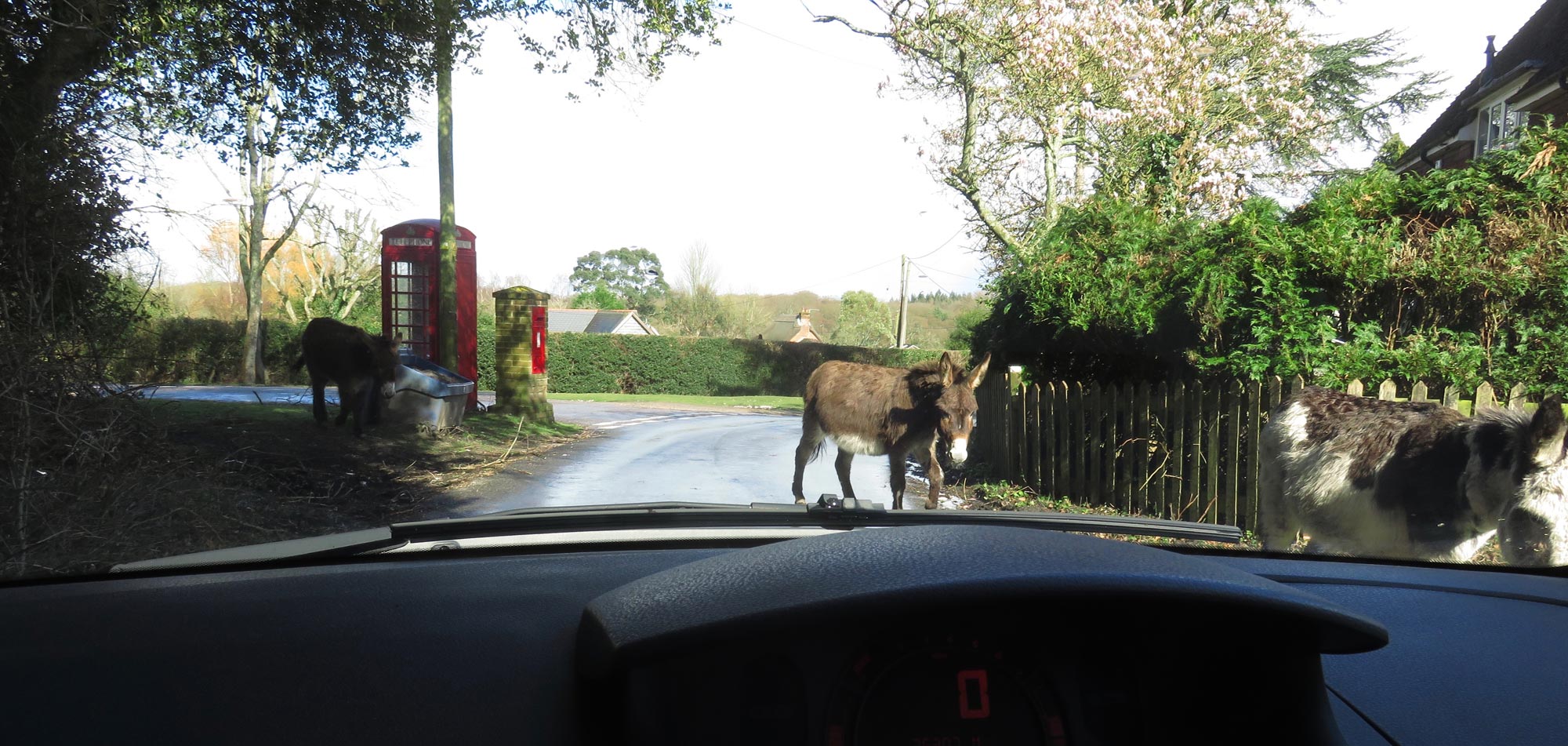
Driving through Beaulieu on the way to Bitterne, we followed a large Travis Perkins lorry, which was forced, at regular intervals to come to a standstill in front of us,

Donkeys on road

in order to manoeuvre round donkeys on the road.

We did, however, arrive in good time to help Paul and Jutta Manser, a talented painter and wood engraver, to complete the hanging.

Every wall, including that on the stairway of this little house devoted to an art gallery, is utilised to the full.

Prints and albums

The ‘before and after’ albums were displayed on a cabinet surface beneath one of the walls.

Cards

alongside the albums was a rack of greetings cards.

Shady path printTable top print

Prints 2Prints 3Rain on Nasturtium leaves print

Other prints were to be seen in every room.

Prints 1

These, and others, were being prepared for placing in racks for when the exhibition opens to the public tomorrow.

As can be seen, Paul has done a splendid job mounting the exhibits.

Paintings 1Paintings 2

It has been an honour to share space with some of the excellent paintings,

Snails

and works in other materials in this event.

Plants

There were many generous donations of plants and seeds, with which to raise funds for Southampton Public Libraries.

Later this evening, Elizabeth booked a table at The Fishers Pond public house in Colden Common. We arrived on time. The reception we received from this member of The Vintage Inn chain was so appalling as to be insulting. It is far too late now for me to be bothered to detail this, although Elizabeth will be writing to them. Needless to say, we left, and drove on to The Fox and Hounds in Fair Oak, which could not have been in greater contrast.

Meals at The Fox and Hounds

There I enjoyed a mixed grill; Jackie, a burger; and Elizabeth, bangers and mash. My sister and I drank shiraz, and Jackie chose coke.

The Infant Crocodile

Jackie drove me to and from New Milton today, for me to take an uneventful journey to Waterloo and back, to lunch with Norman at Tas in The Cut.

Raindrops on Pansy

Fresh pansies in the station platform planter bore remnants of last night’s rain.

Alaska Street/Cornwall Road

I approached The Cut by walking across Waterloo Road and down Alaska Street to Cornwall Road where I turned right. The gentleman using his mobile phone was quite happy to appear in shot.

Infant Crocodile

Further along Cornwall Road a multi-ethnic infant crocodile was led under a railway arch,

Railway Arch

beneath which a pair of gentlemen in hard hats subsequently made their way, as the children filed through yellow cased scaffolding supports further up Cornwall Road.

Bus Station exitBus Station entrance

The bright red buses in their station, like Shakespeare’s players, have their exits and their entrances.

Conversation in uniform

A uniformed conversation took place in The Cut,

Young Vic restaurant

where the Young Vic restaurant encouraged alfresco custom,

Bill Posters

and Bill Stickers changed the posters advertising the new programme.

Norman and I both chose tender lamb casserole followed by perfect baklava for our meal, and shared a very good bottle of the Anatolian house red wine.

Waterloo Road

My return to the terminal railway station was taken along Waterloo Road where the foundations of the building alongside the old fire station appear to have been completed.

Lymington’s National Hero

This morning we drove to The First Gallery with the last of the prints for the exhibition,

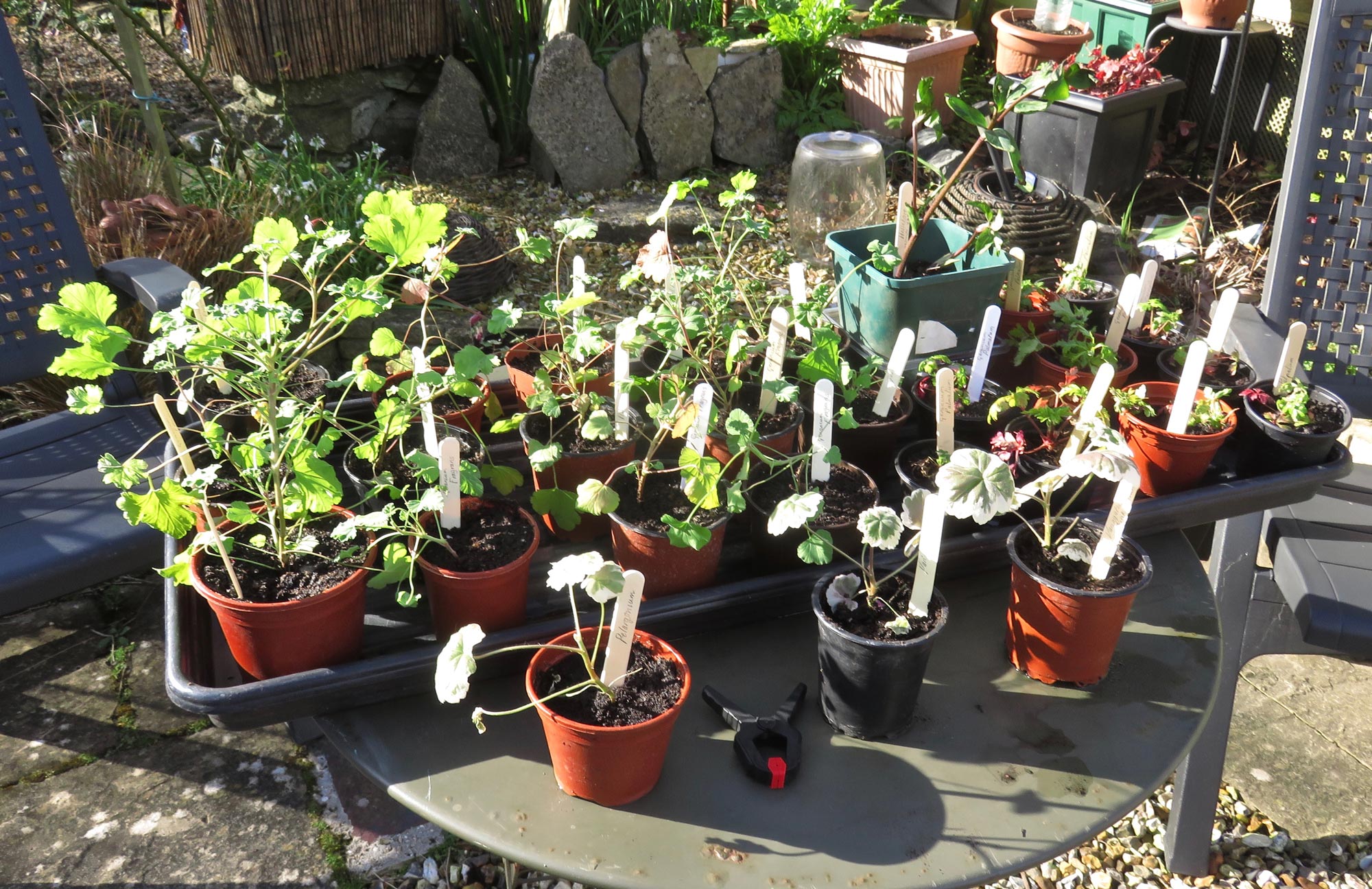
Seedlings

and Jackie’s donation of labelled seedlings,

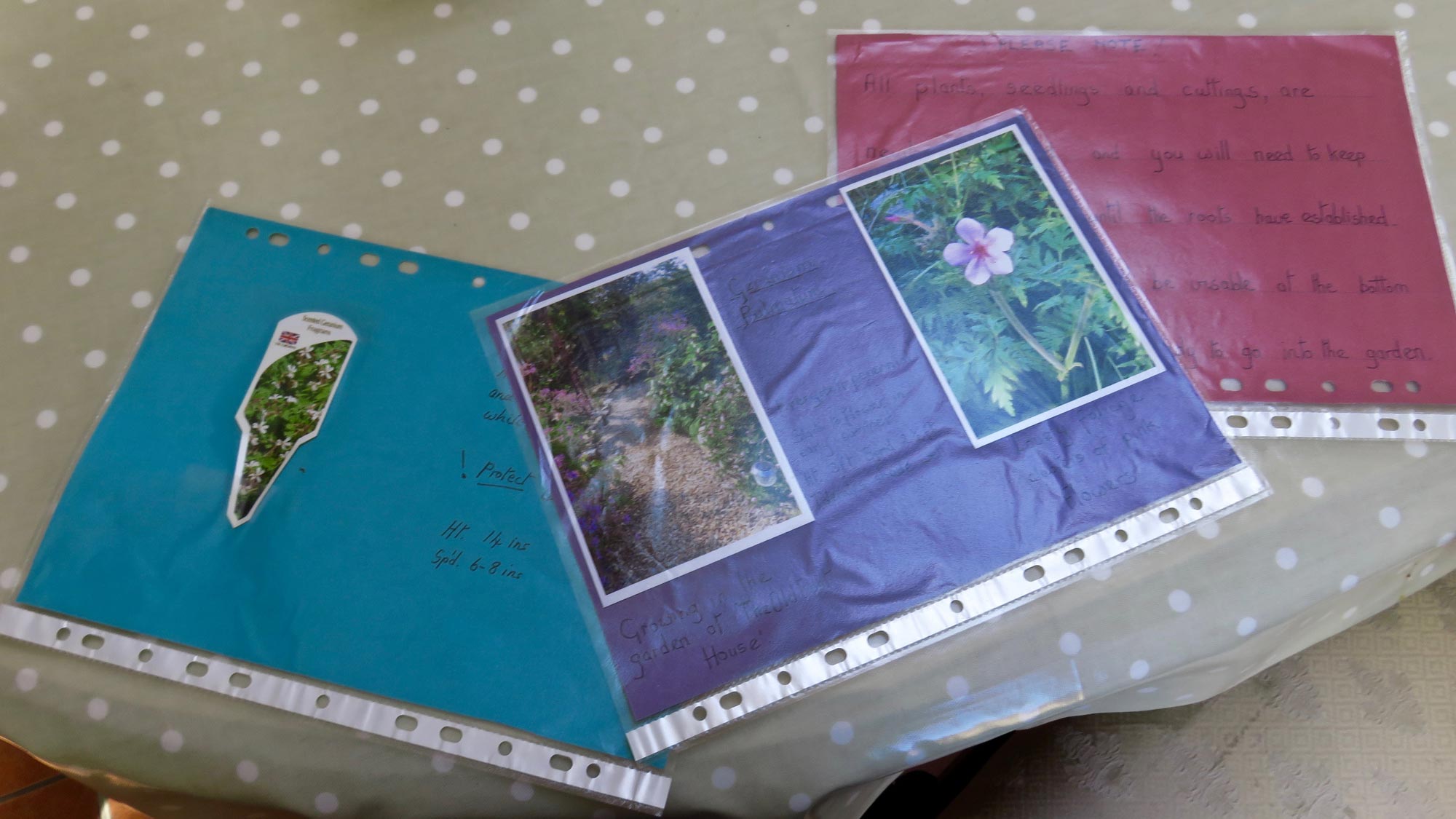
Seedlings notes

with which she has included explanatory notes.

Cattle

On our journey via Beaulieu, cattle basked by the roadside at East Boldre.

Margery and Paul’s reception rooms resembled a frame-maker’s workshop, which, indeed they are at the moment. We are assured all will come right on the night. I commented that there was more work going into the mounting of my pictures than in the printing of them. Paul does make exceedingly good frames.

On our return trip, the cattle had been replaced by donkeys, but we had already seen some by the river at Beaulieu, playing host to parasitic jackdaws. It is very difficult to find somewhere to Park in Beaulieu, so, by the time we did so, the birds that had been fiercely  stabbing the hides of the unflinching drowsy asses on which they were perched,

Donkey and jackdawsDonkey

had moved off by the time I had walked back to the scene.

Burrard Monument from Lymington High StreetLymington High Street and Burrard Monument

We have often wondered at the obelisk that we have noticed when walking down Lymington High Street,

therefore passing Monument Lane on the approach to this small town, we decided to investigate. There was barely any passing space along this muddy track which led us to:

Welcome to the Burrard MonumentClicking on the images above and below

Admiral Sir Harry Burrard Neale

will provide enlarged information giving the story of

Burrard Monument

the monument.

Railing stumps

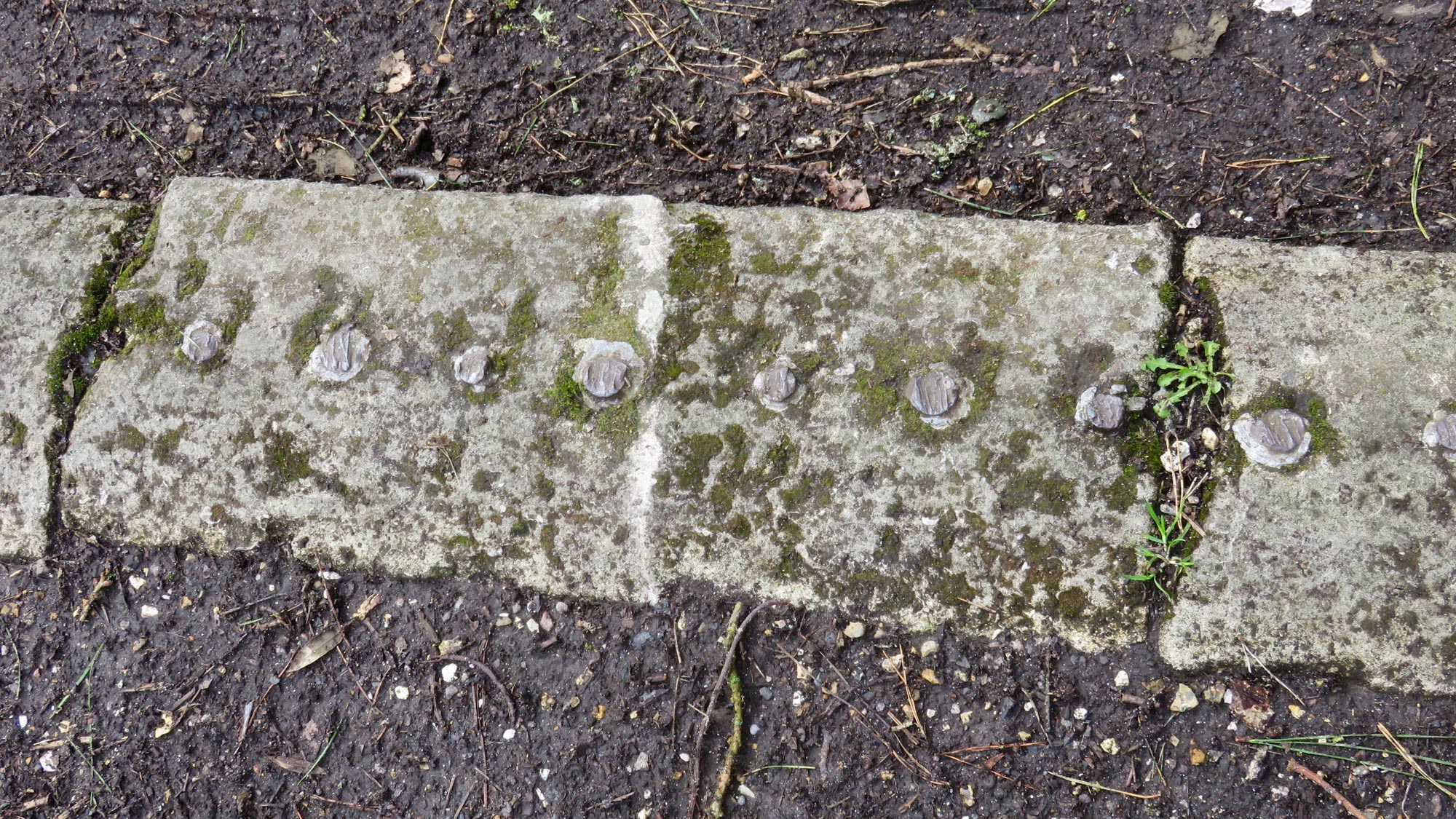
The notice board explains the railing stumps around the obelisk. These are the residue of iron that was commandeered for World War 2 armaments. Buildings, including residential homes, throughout their lands lost their railings, never to be replaced. It is highly debatable how much of this material was ever actually used for the war effort.

Unsown trees have now grown to fill what was once open parkland,

Pool and reflection

Reflection of Burrard Monument

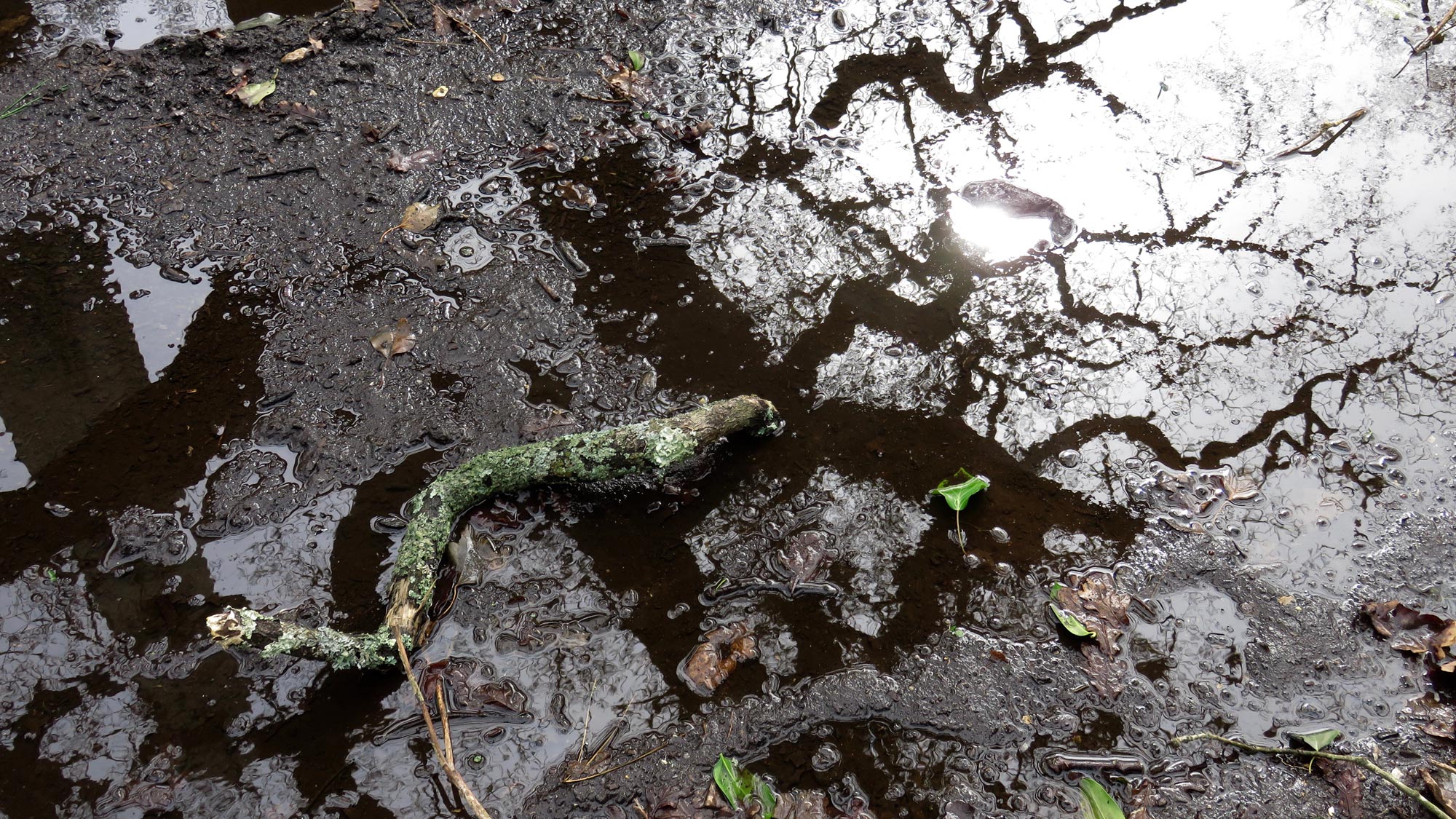
and muddy, reflective, pools now surround its mound.

This evening we dined on roast duck, mashed potatoes, carrots, and Brussels sprouts followed by treacle tart and cream. Jackie drank Hoegaarden and I finished the madiran.

Post-Katie Recovery Process

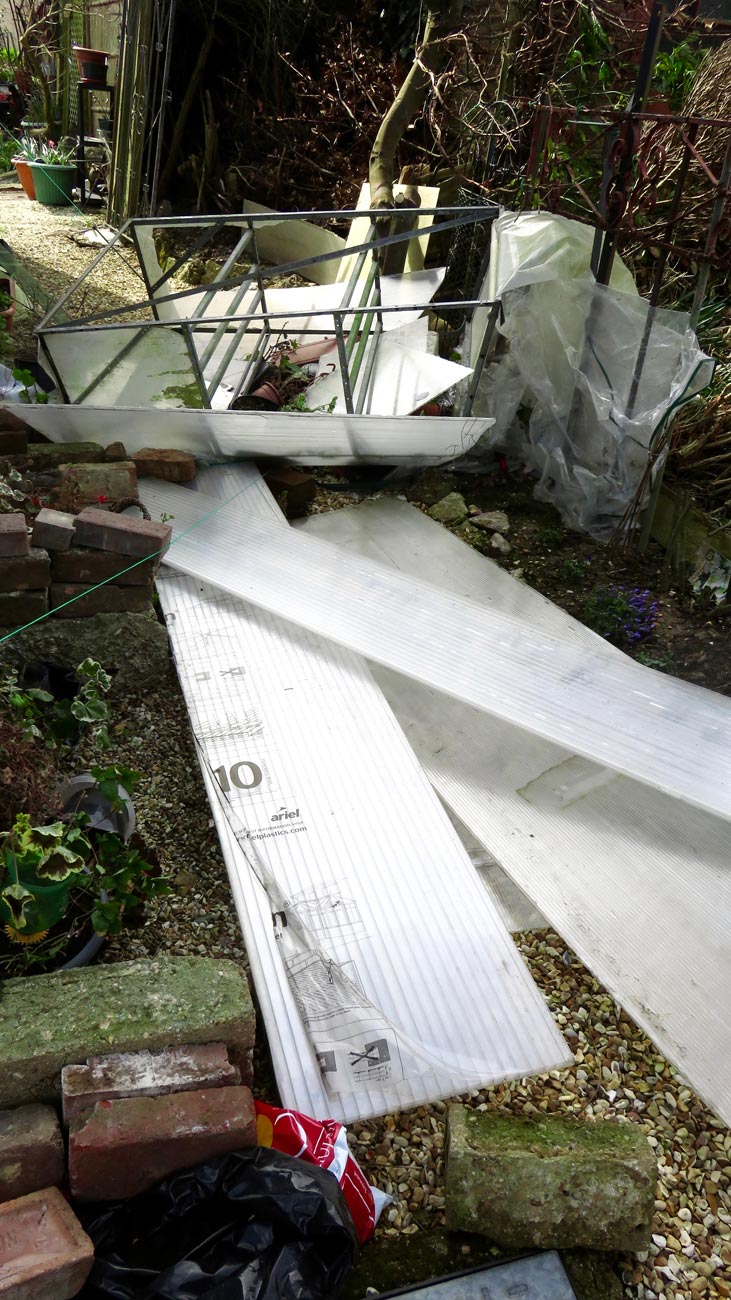
This morning we began the post-Katie recovery process. Once we could reach the broken greenhouse this is what greeted us:

Broken greenhousePerspex broken

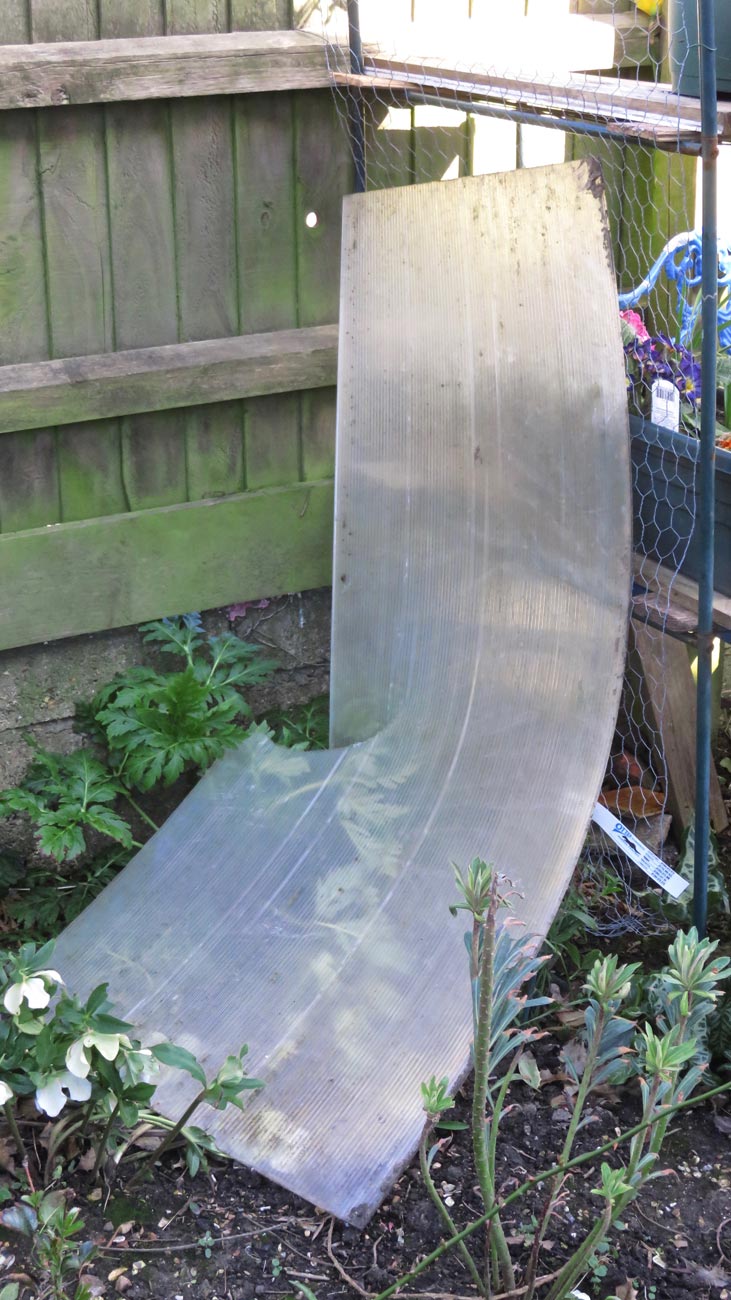
Some of the perspex had blown round the house and, torn, come to rest against the front gardener’s arbour. In reassembling all this we could have done with a three-year-old who would have recognised where all the bits went.

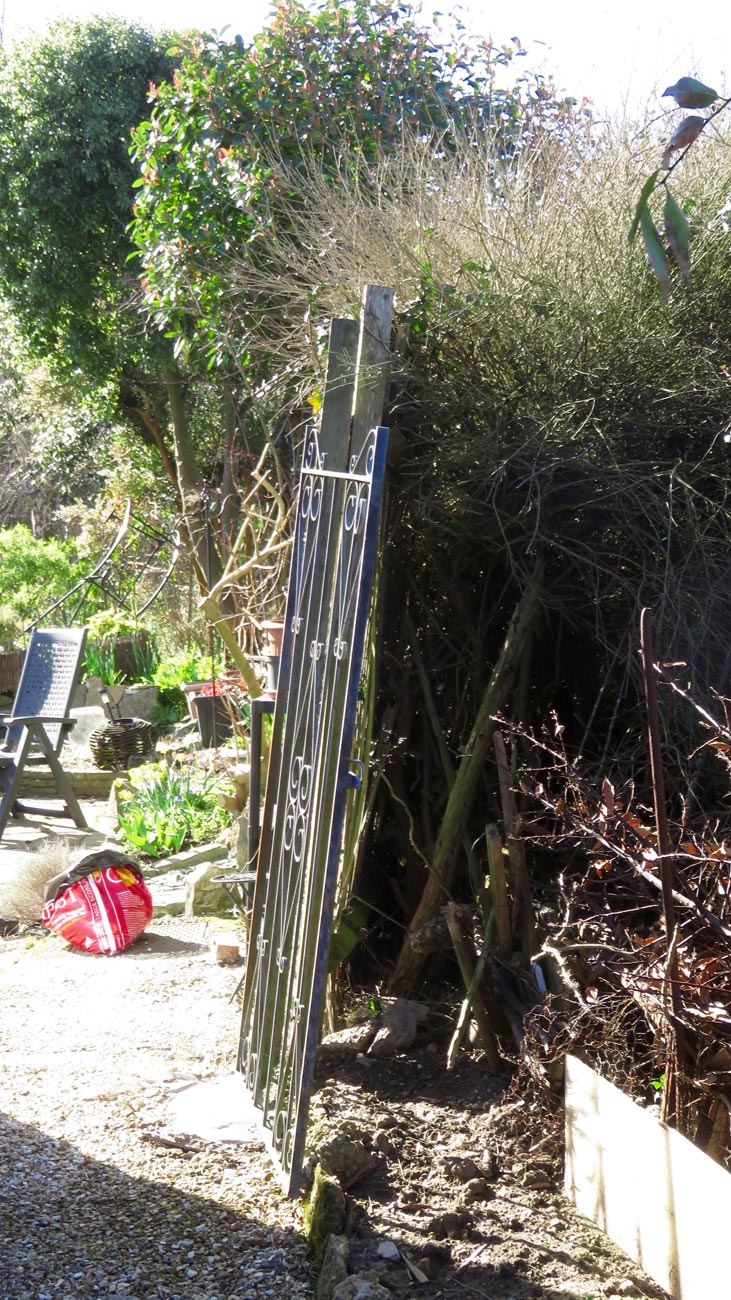
Gate dislodged

The concrete base for the iron gate had been uprooted and the structure knocked sideways.

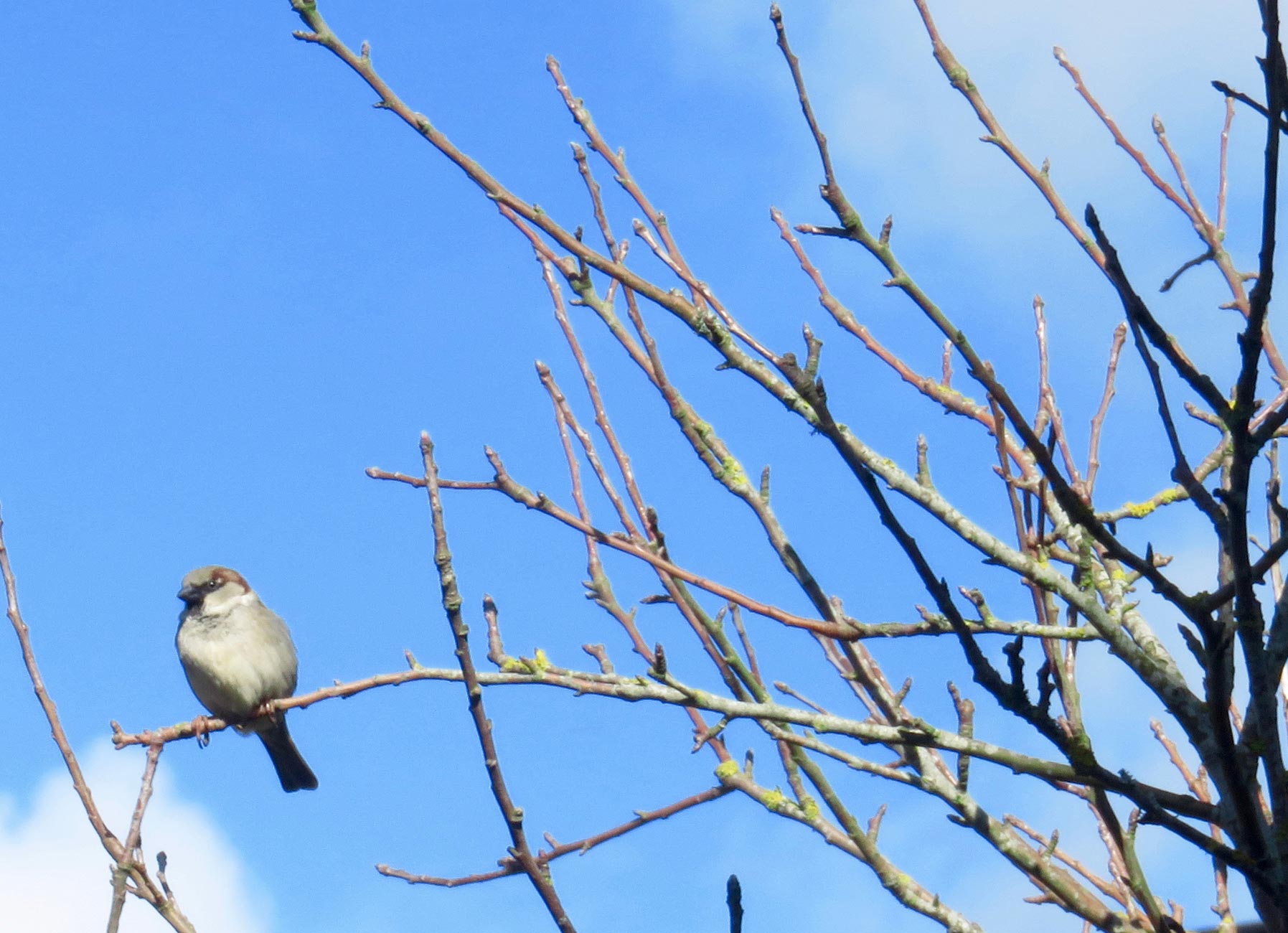
Finch

We entertained a pair of finches of some sort.

The really pleasant surprise was that large areas of the garden went unscathed. The area around the house took the brunt of the gales.

View across Heligan Path

The Weeping Birch Bed,

Heligan Path

The Heligan Path,

View across grass to Dead End Path

and the borders around the grass patch, were all unharmed.
Side path

Side path and lifted concrete

Continuing this afternoon we rebuilt the frames on the side path. The second view shows the lifted  concrete mentioned above.

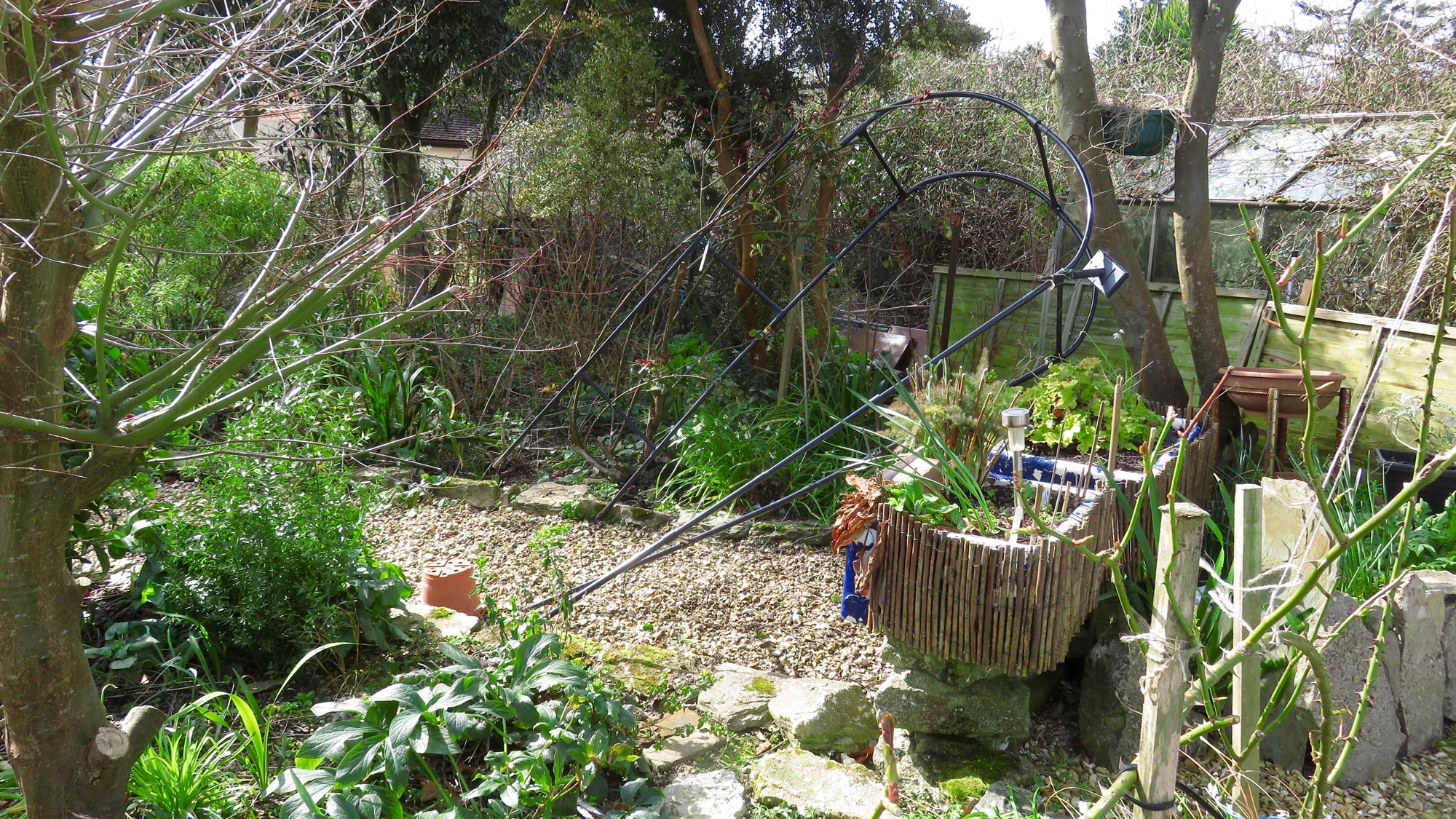
Agriframes Gothic Arch

We then provided additional support for the fallen arches, and heeled them in. Through the one in the front garden can be seen the pot of daffodils returned to their perch;

Jackie adjusting arch on Dead End Path

and here Jackie adjusts that across the Dead End Path.

After this we transported the last two bags of cuttings, filled on Sunday by Aaron and Robin, to the dump, returning with two wooden folding chairs,

Stove and log bin

and a galvanised bin just right for carrying logs, which was just as well because it will be a week before we will receive our tank of oil.

I managed to load up this container before Shelly popped in for a visit.

It seemed a bit harsh to expect The Head Gardener to cook after such a day, so we dined at Lal Quilla in Lymington. My choice was king prawn Ceylon, and Jackie’s chicken sag. We shared special fried rice, egg paratha and onion bhaji; and both drank Kingfisher. The meal and service were as good as always.

Katie’s Wake

Storm Katie particularly selected our corner of Hampshire to belabour throughout the night with winds of up to 105 m.p.h. Having heeded the forecast our intrepid Head Gardener brought down many of her pots and protected other parts of the garden. Nevertheless, tears sprang to her eyes when she witnessed the devastation this morning.

Cold frames blown down

The cold frames built last autumn had been smashed to pieces and scattered around the side and front of the house.

Daffodils blown down

One pot of daffodils had been blown from its perch on the front Gardener’s Rest.

Arch blown down 2Arch blown down 1

Two arches have been uprooted;

Broken lamp

that in the front has destroyed a solar lamp.

Broken pot 1

Other breakages include plant pots that can no doubt be replaced from Efford Recycling Centre.

Chairs blown down

Chairs

Plant stand blown down

and planters also took a dive.

The wind continued throughout the day, and rain interrupted the sunshine, so we decided to defer the recovery process until tomorrow, and drive out to see how the forest had fared.

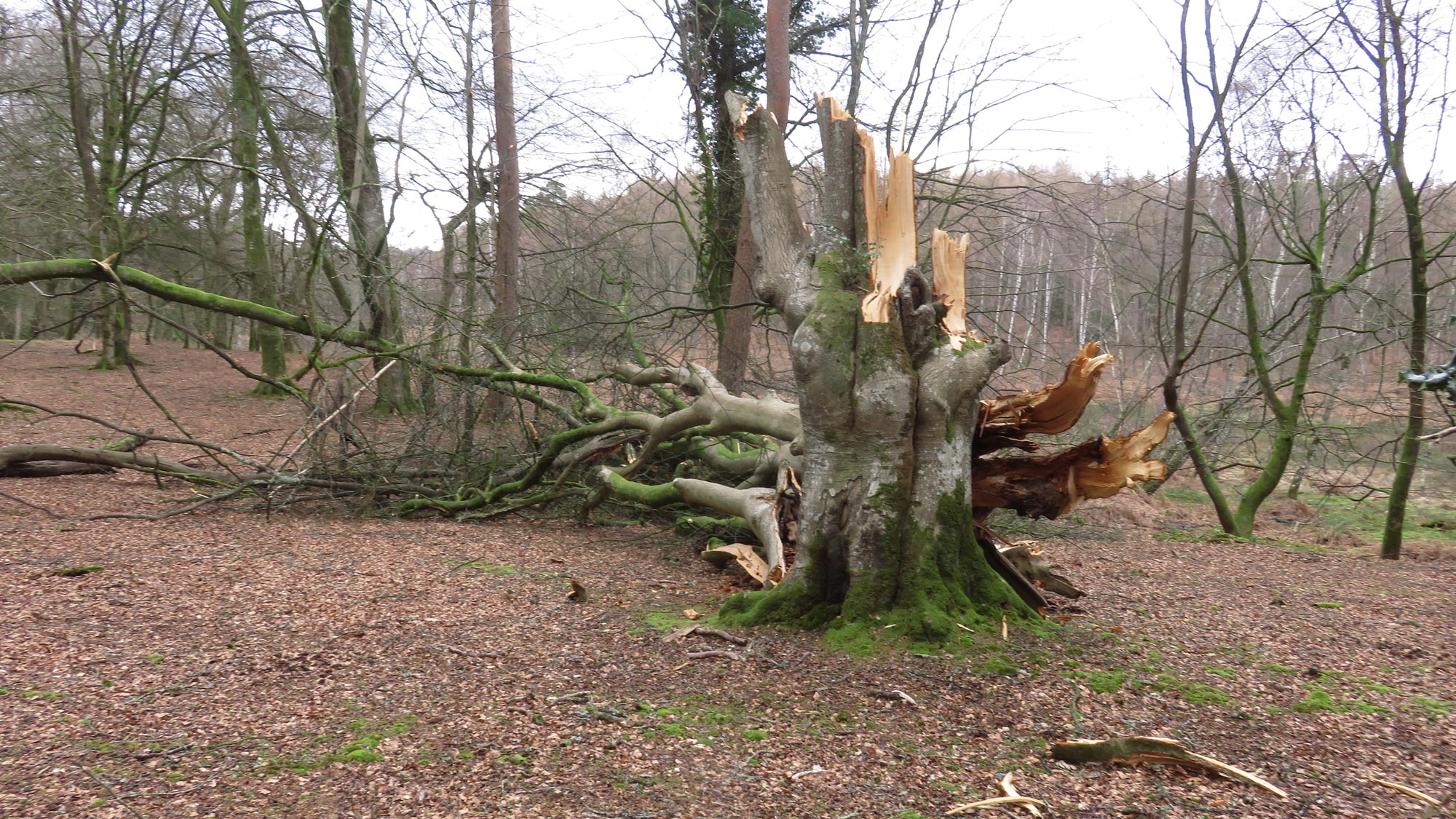
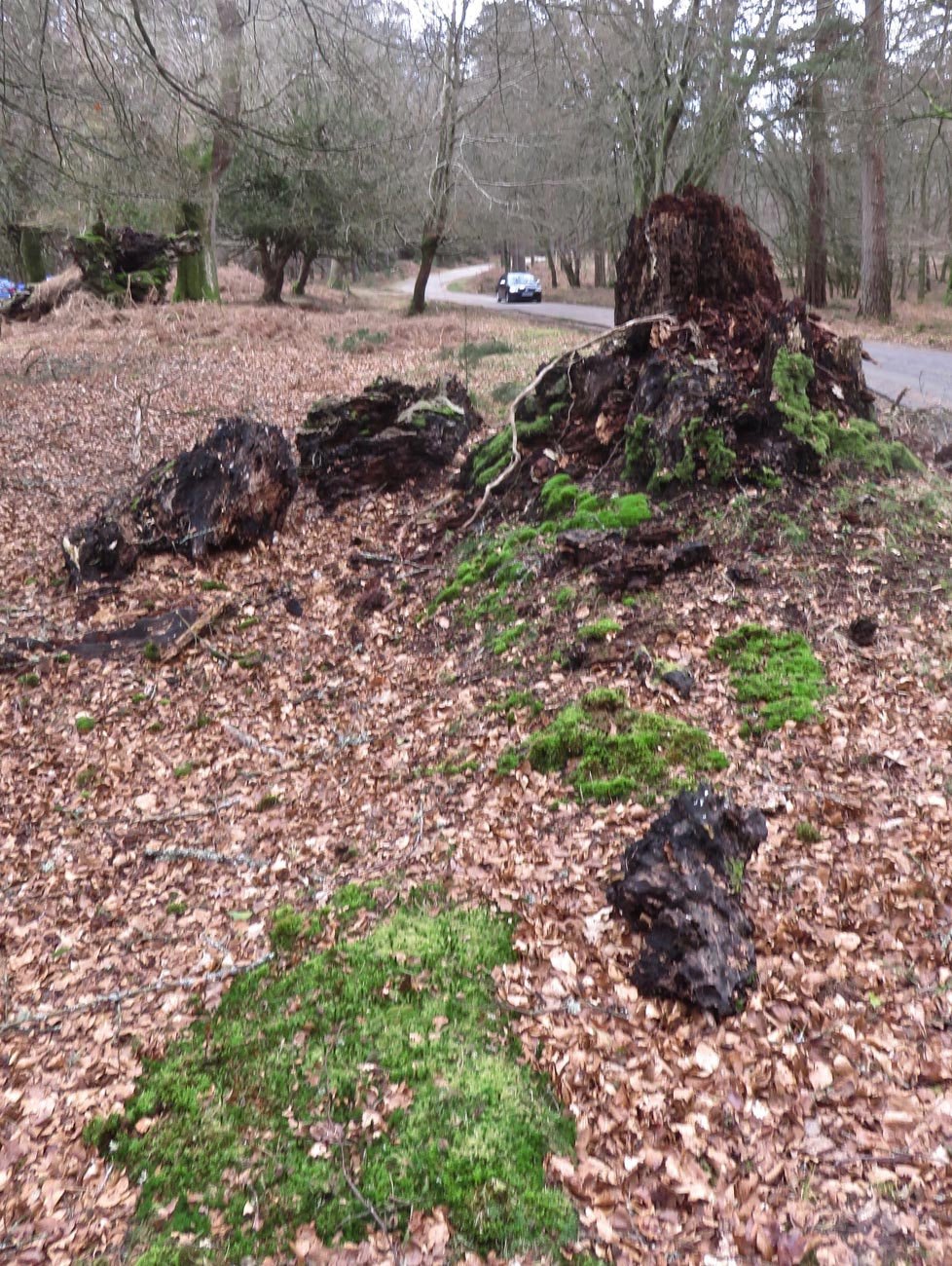
Fallen tree 1StumpStump and fallen tree

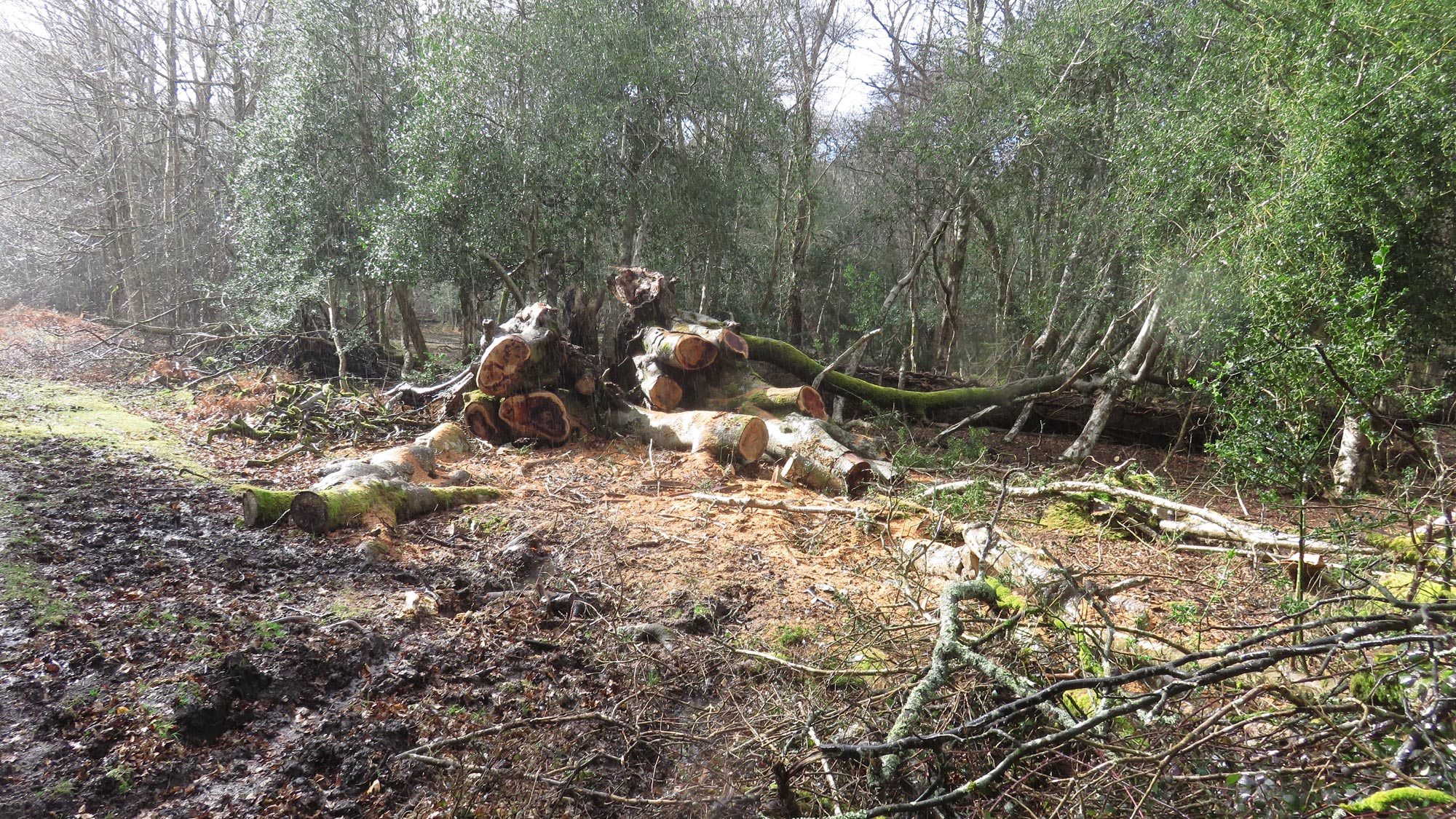
This scene near Bolderwood demonstrated that the recent falls of forest giants will eventually merge into the landscape, just as their ancestors have done. Perhaps this rotting stump had been shattered by a wind as strong as that which had ripped the trunk off its neighbour.

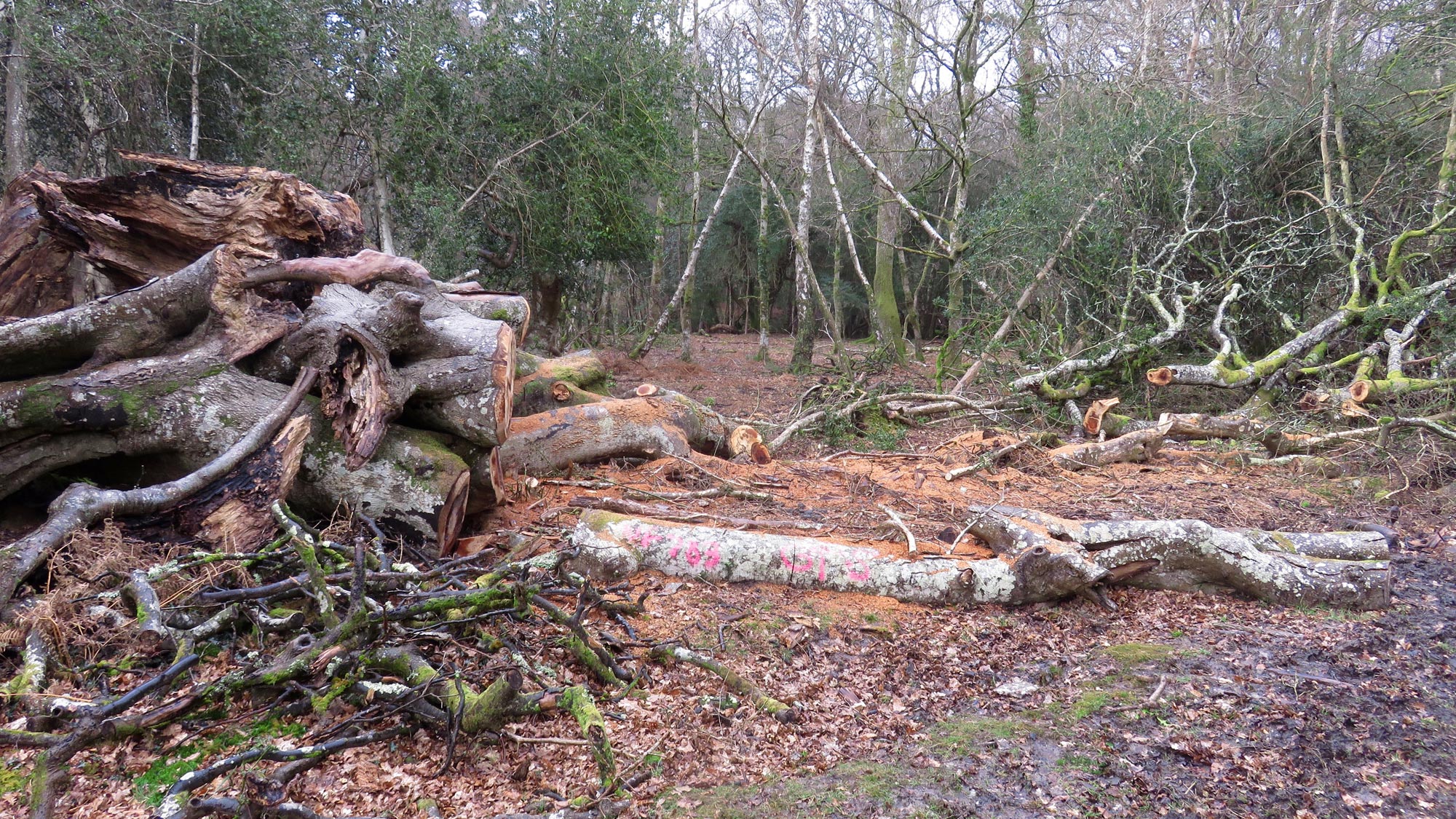
Fallen tree 2Fallen tree 3

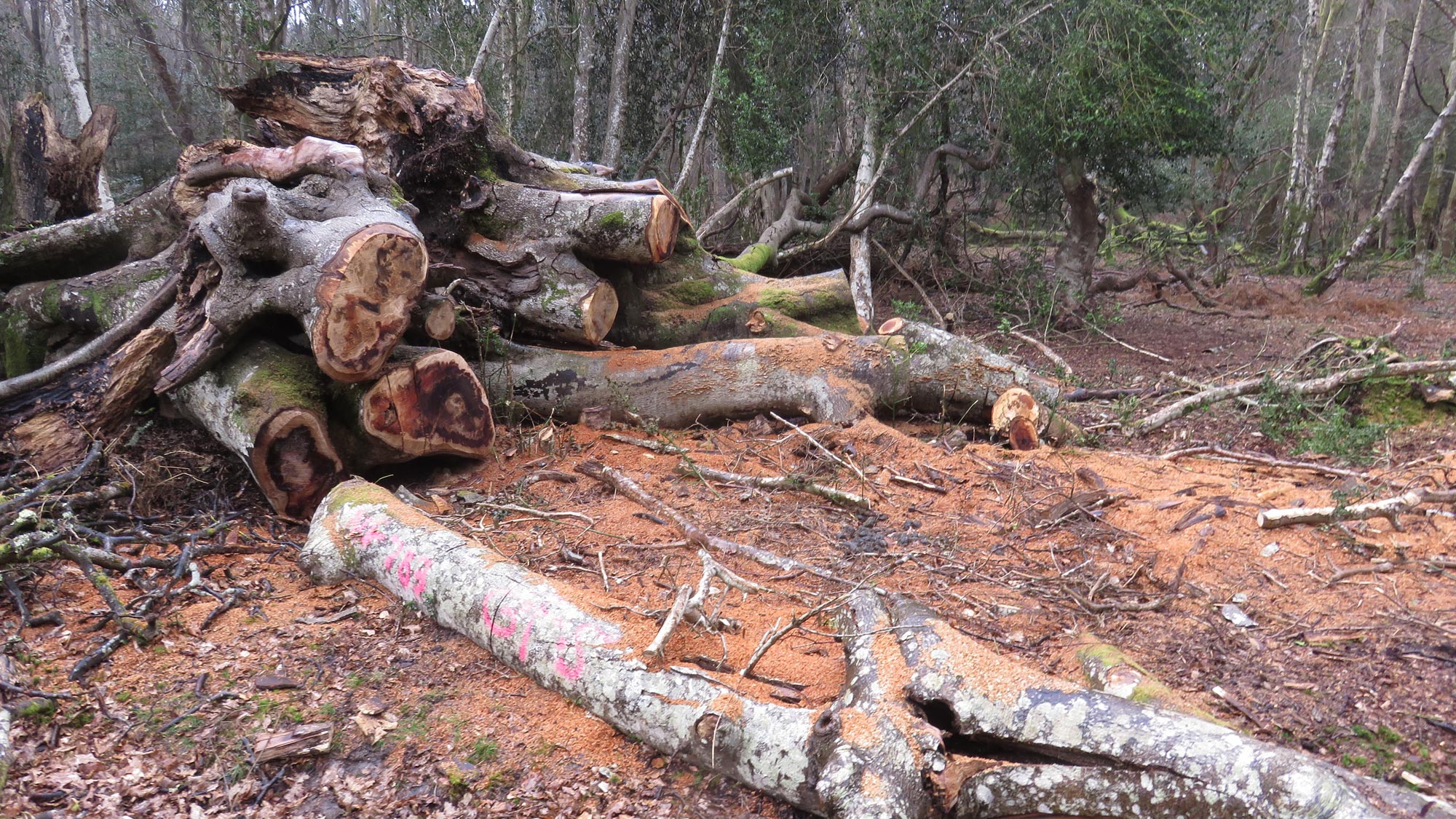
Fallen tree 5Fallen tree 4

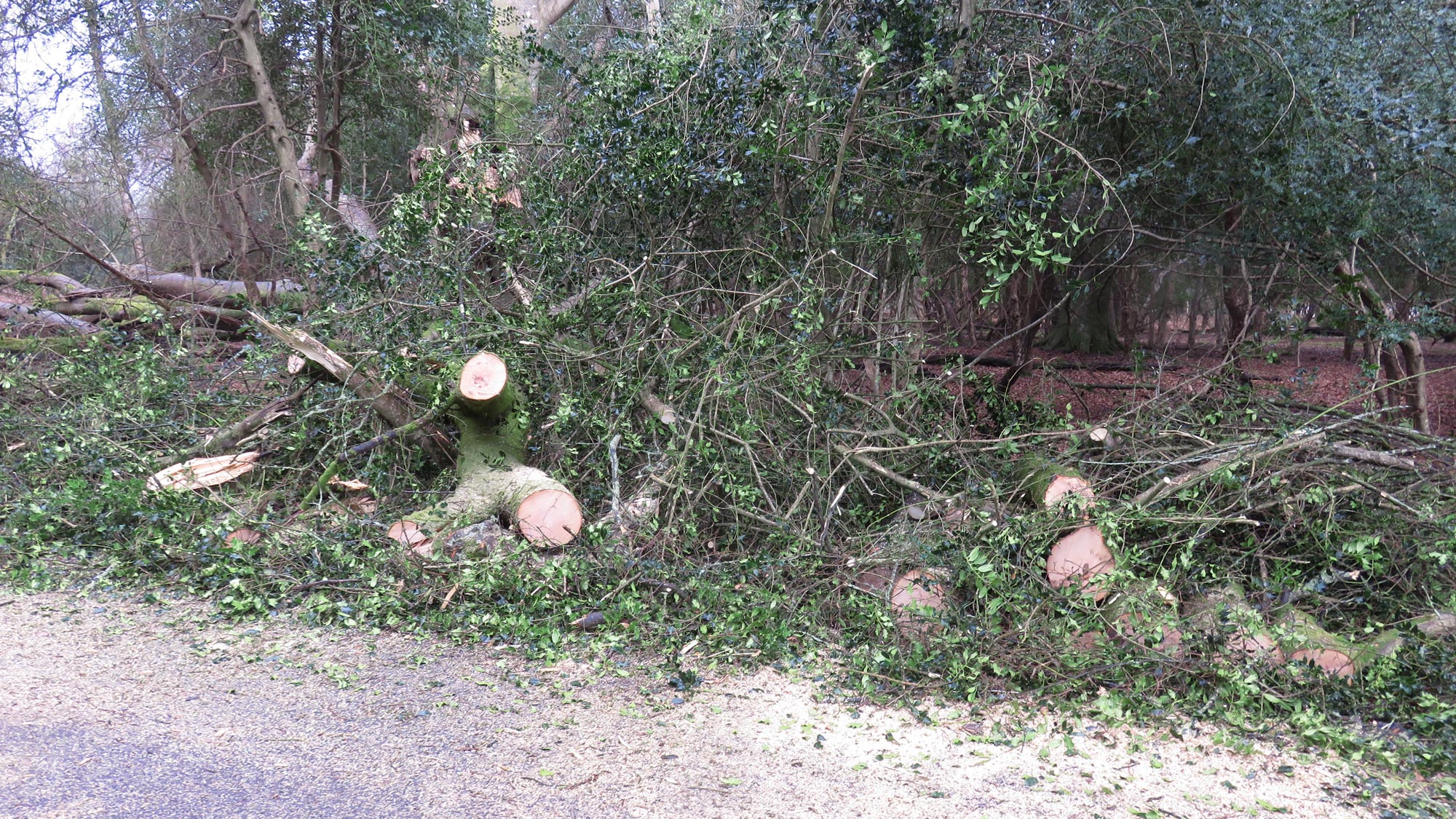
Many other such corpses, recent, and ancient, litter the terrain.

Fallen tree clearance

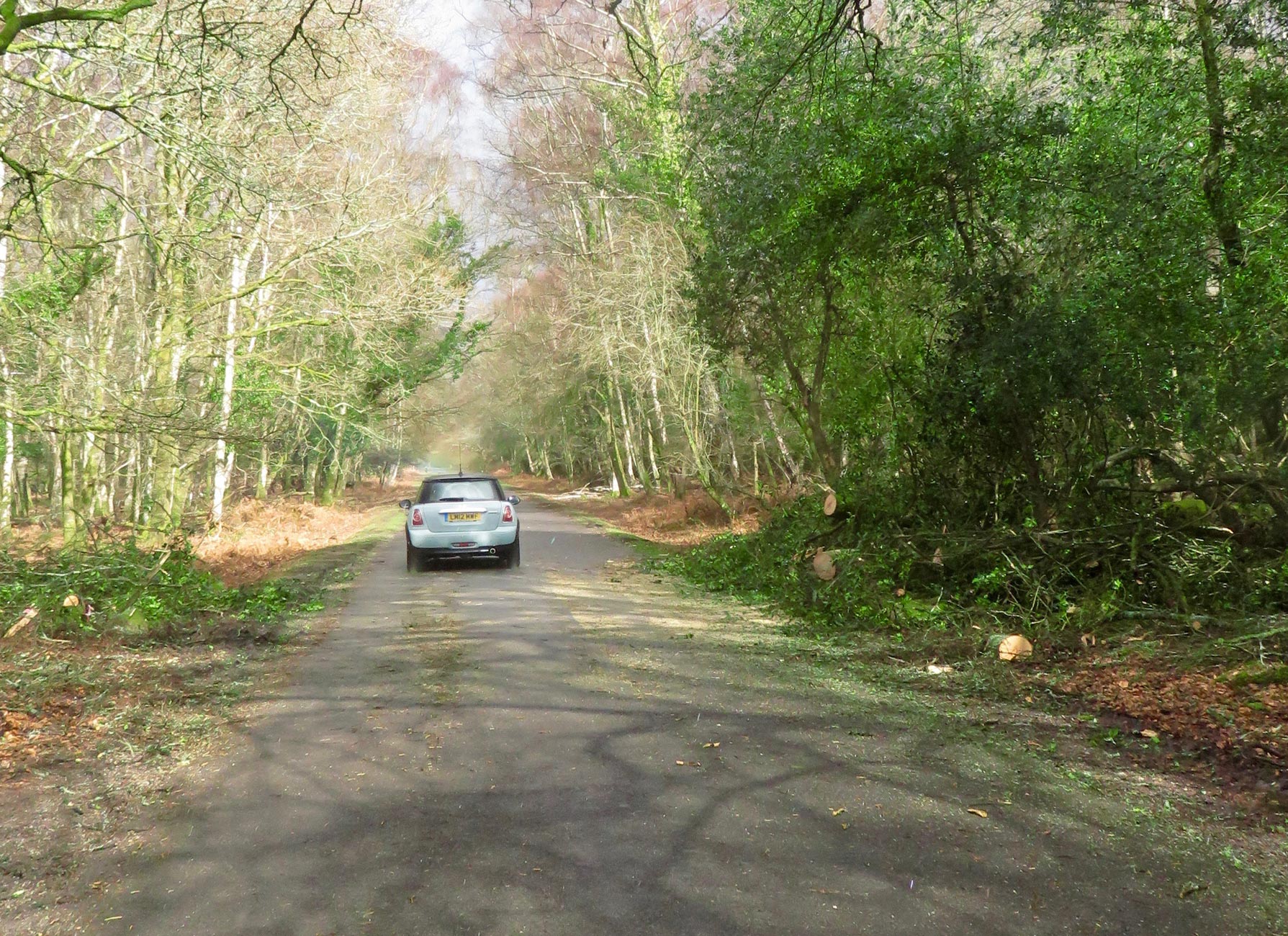
The last of these trees had been cleared from the road that it had crossed.

Traffic on road

Variable traffic,

Runner on road

and a cheerful runner who had just seen a wonderful rainbow, enjoyed the bright light once the rain had stopped pelting down.

Donkeys 2

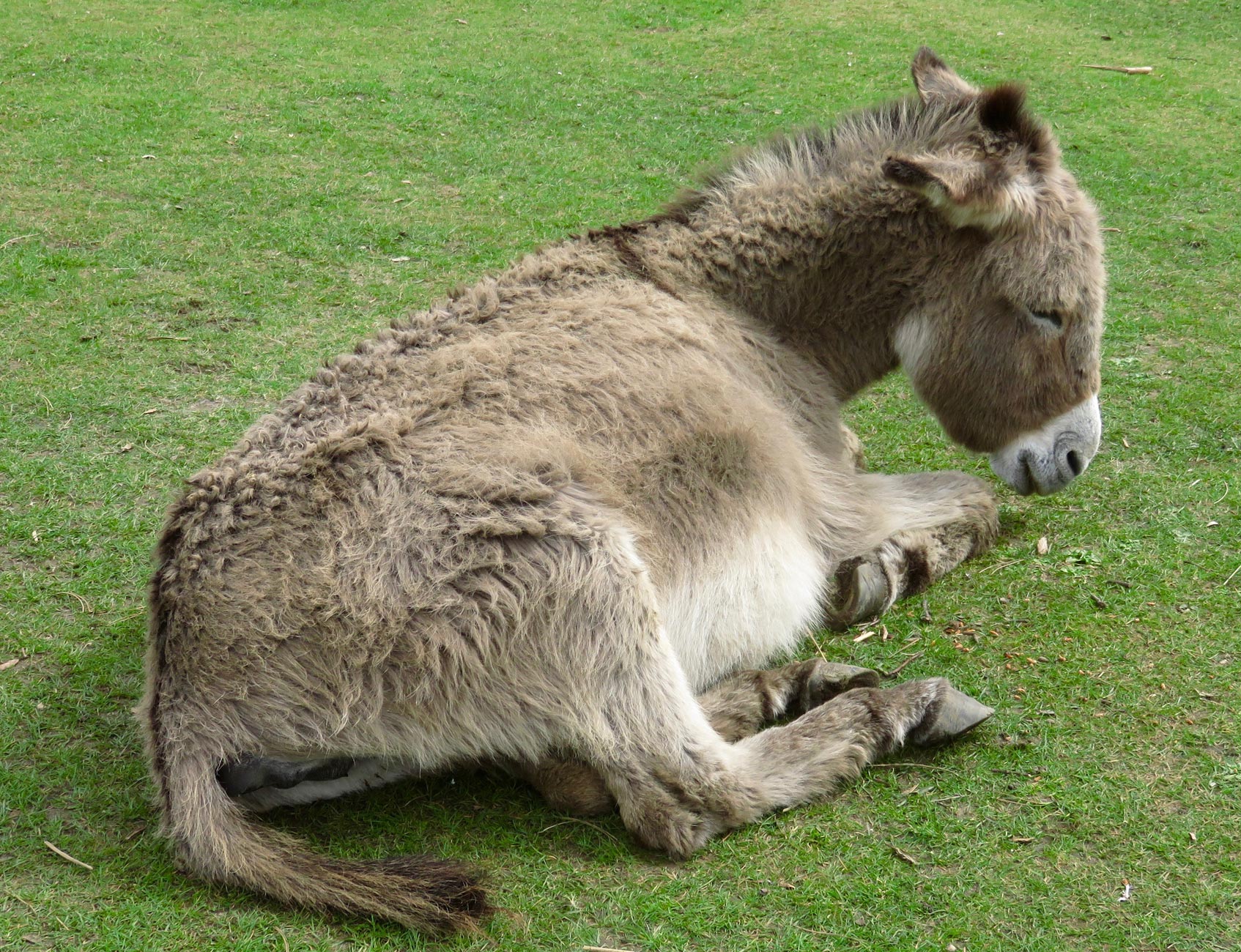
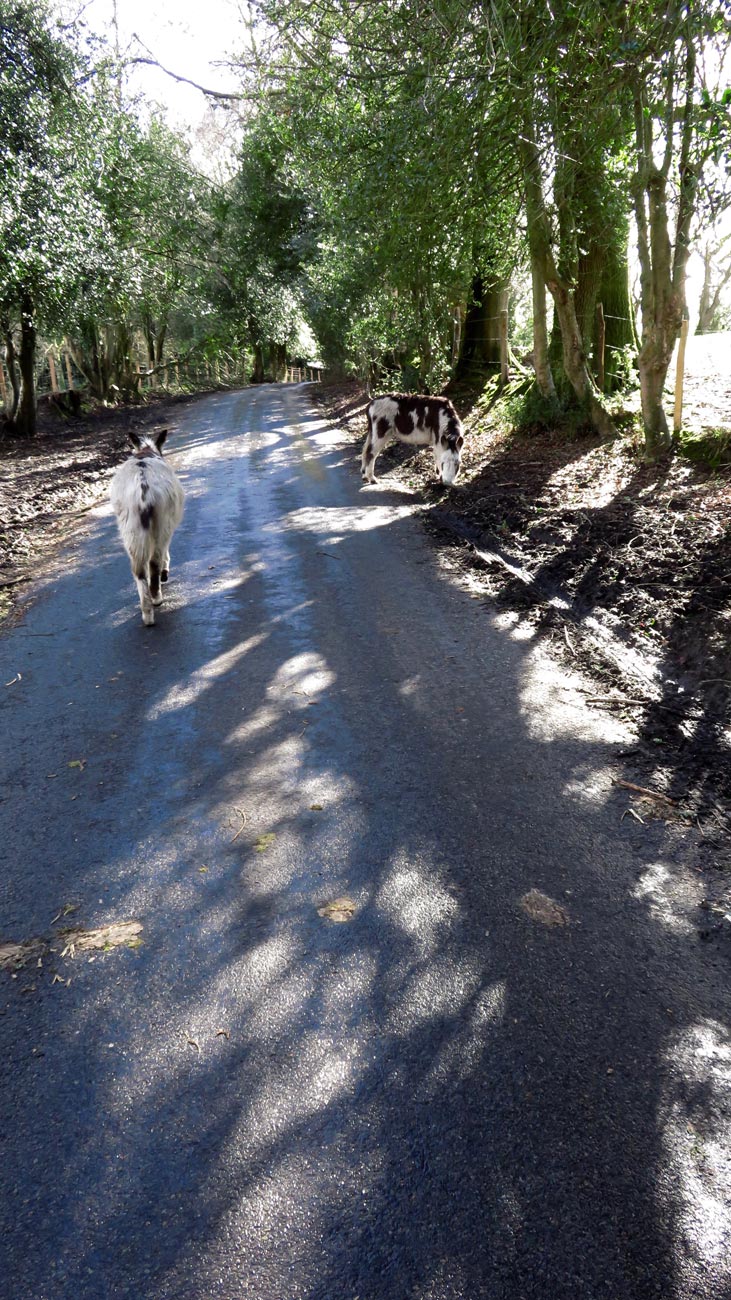
In Newtown, near Minstead, the dappled coats of donkeys blended with the sunlit tarmac.

Donkeys 1

When living there, we had watched the house in the centre of this picture being built.

Donkey baby

These two had left their basking baby while they wandered off.

Donkeys 3

Further on, we were obliged to stop and watch another trio able across the road they own.

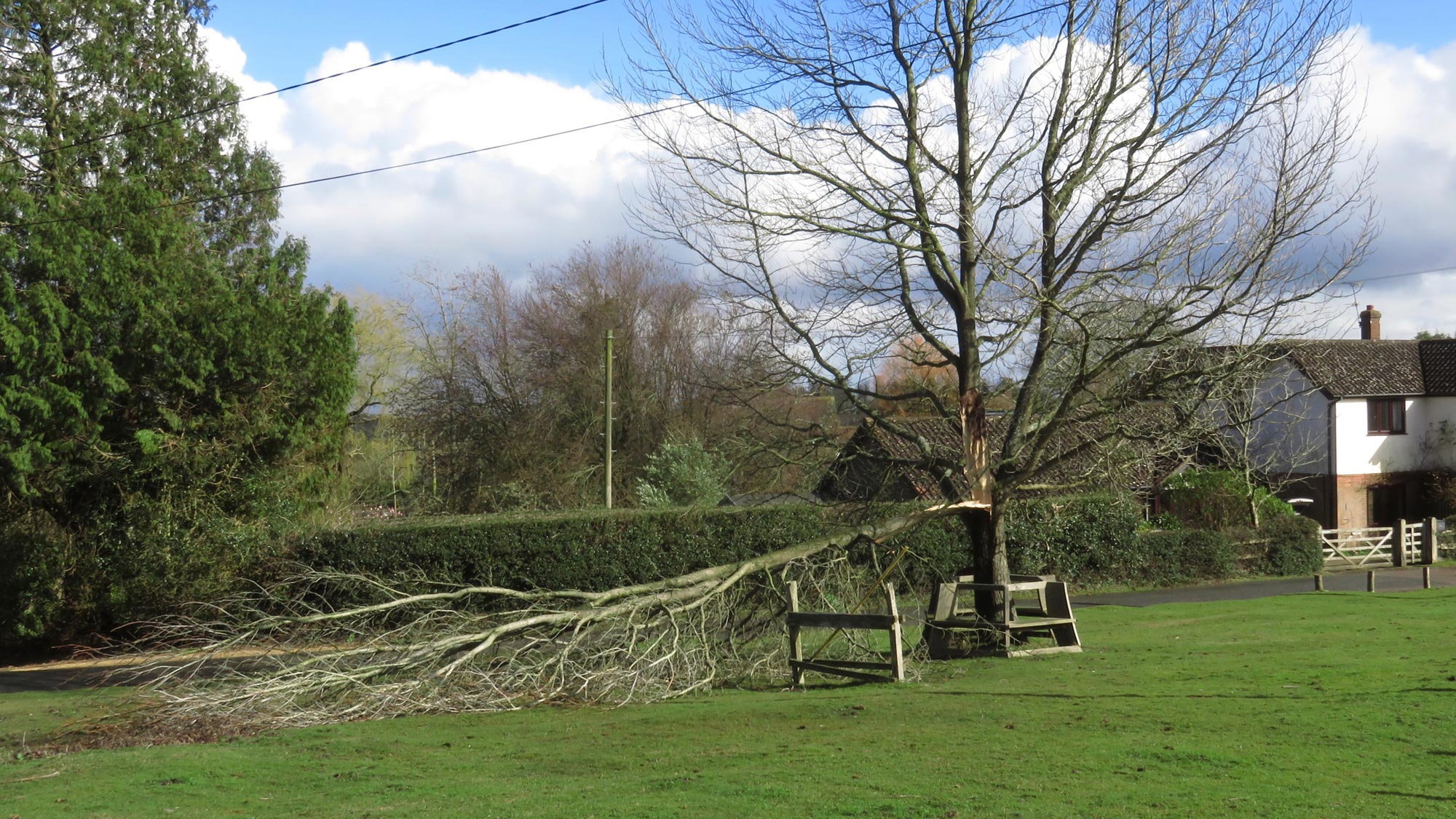
Shattered tree

I have often photographed this tree, when whole, on Seamans Corner green;

Fallen branch

or this scene, further down the road, before Katie struck.

This evening we dined on Jackie’s choice chilli con carne and savoury rice. I drank more of the madiran, and The Cook didn’t.